Prince Creek Formation
Alaska, United States
Why It Matters
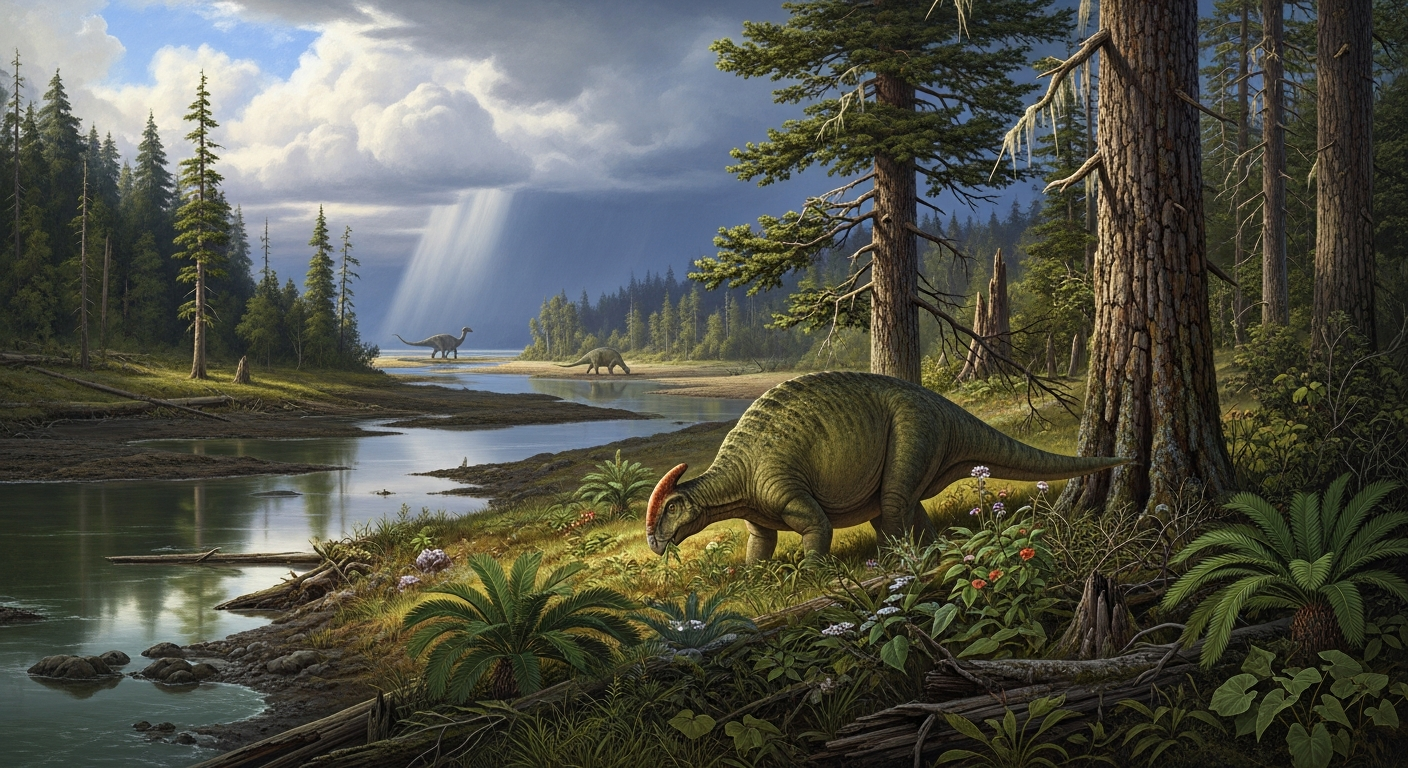
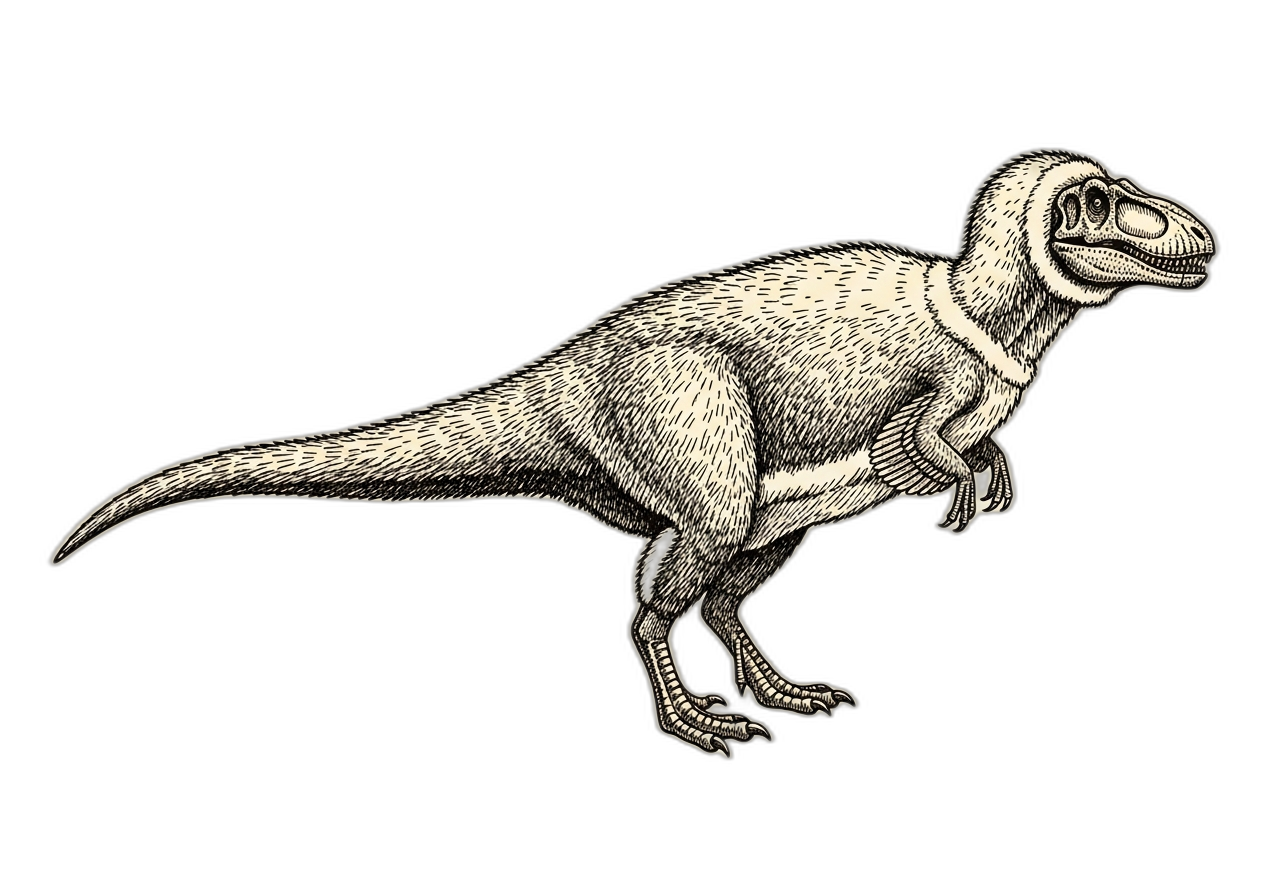
The Prince Creek Formation preserves the northernmost known dinosaur assemblage, documenting polar dinosaur that lived within the Arctic Circle. It contains Nanuqsaurus hoglundi, a smaller adapted to extreme seasonal conditions, and demonstrates that diverse dinosaur communities thrived in polar environments with prolonged winter darkness.
How Fossils Survived
The formation consists of interbedded mudstones, siltstones, sandstones, and coal seams deposited in a coastal plain and environment. Sediments accumulated along the margins of an ancient seaway in a high-latitude setting. Preservation includes both skeletal material and abundant dinosaur footprints in fine-grained sediments.
Discovery History
Systematic paleontological investigation began in the 1980s with surveys by the University of Alaska and USGS along the Colville River bluffs. The Liscomb Bonebed, discovered by geologist Robert Liscomb in 1961, became a major excavation site yielding thousands of bones. Research has intensified since 2000 with ongoing work by the Perot Museum and University of Alaska Fairbanks teams.
Dinosaurs in the Vault
1 species in our database · sorted by size
Dinosaurs living here experienced approximately 4 months of continuous winter darkness each year