Antlers Formation
Oklahoma, Texas, United States
Why It Matters
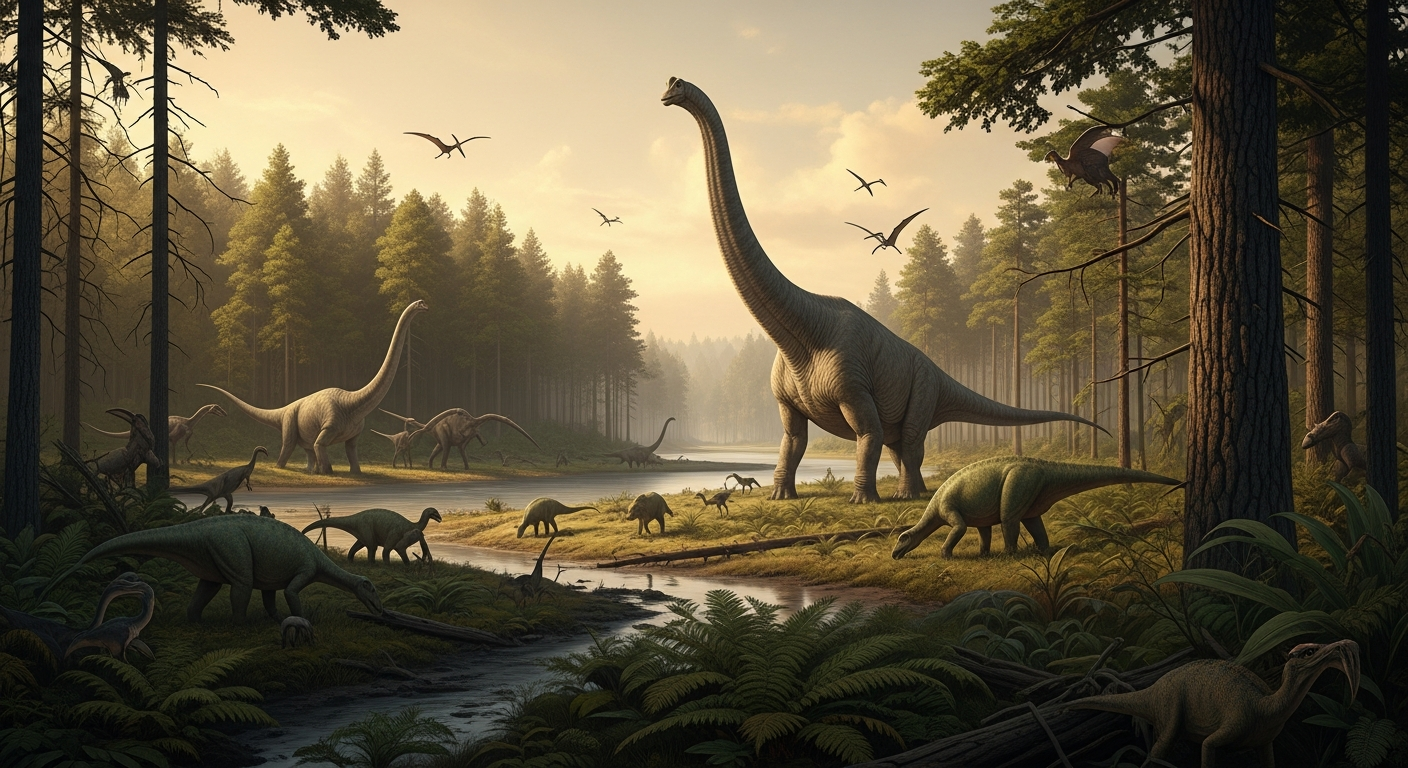
The Antlers Formation is significant for preserving Early Cretaceous dinosaur from the southern United States. It is best known as the type locality for Sauroposeidon proteles, one of the tallest known dinosaurs. The formation provides crucial data on North American evolution during the Aptian-Albian stages within the Cretaceous era.
How Fossils Survived
The Antlers Formation consists primarily of sandstones, mudstones, and conglomerates deposited in river channels and floodplain environments. These sediments were laid down in a coastal plain setting with meandering river systems. Preservation occurs mainly in channel lag deposits and overbank mudstones.
Discovery History
The formation has been studied since the early 20th century, with significant vertebrate fossil discoveries beginning in the 1930s. The of Sauroposeidon was discovered in 1994 near Atoka, Oklahoma, and described in 2000. Ongoing fieldwork continues to yield new dinosaur and other vertebrate material.
Dinosaurs in the Vault
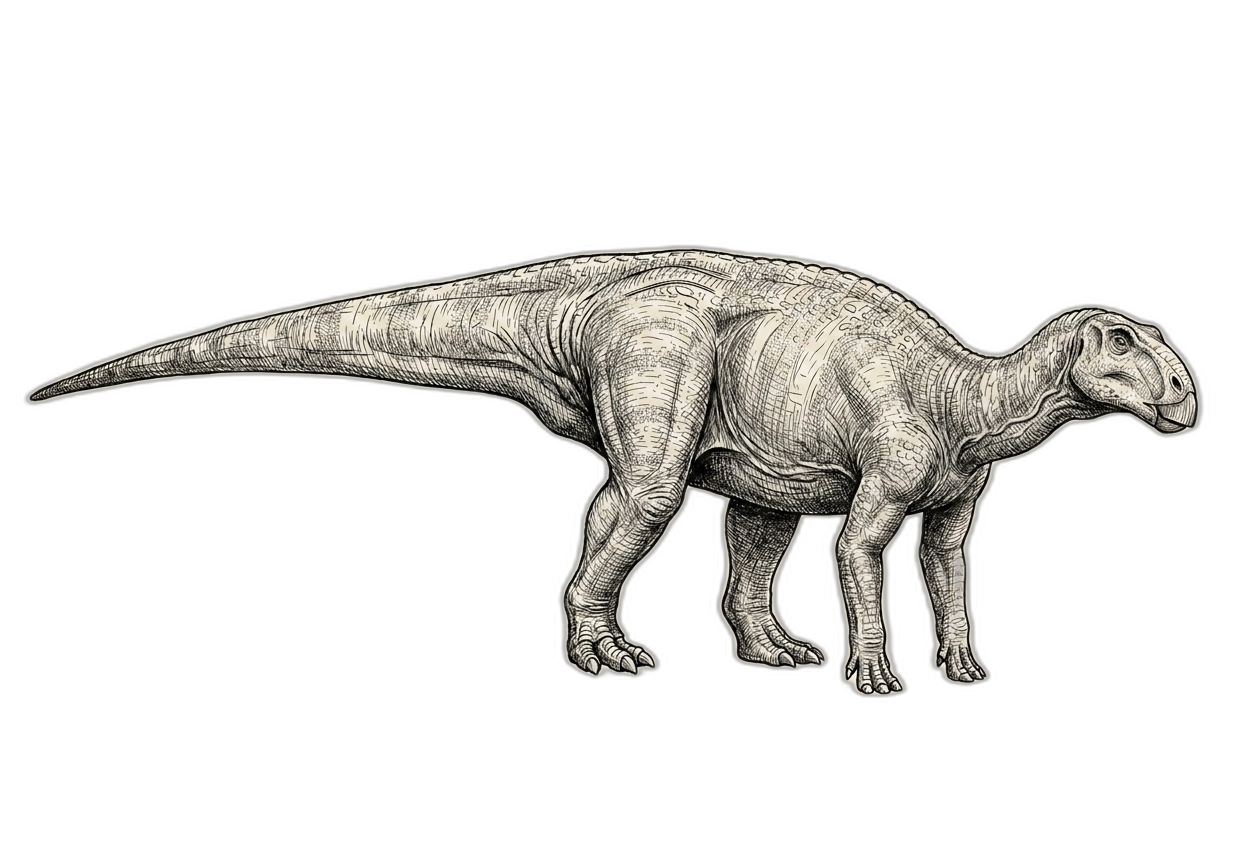
2 species in our database · sorted by size
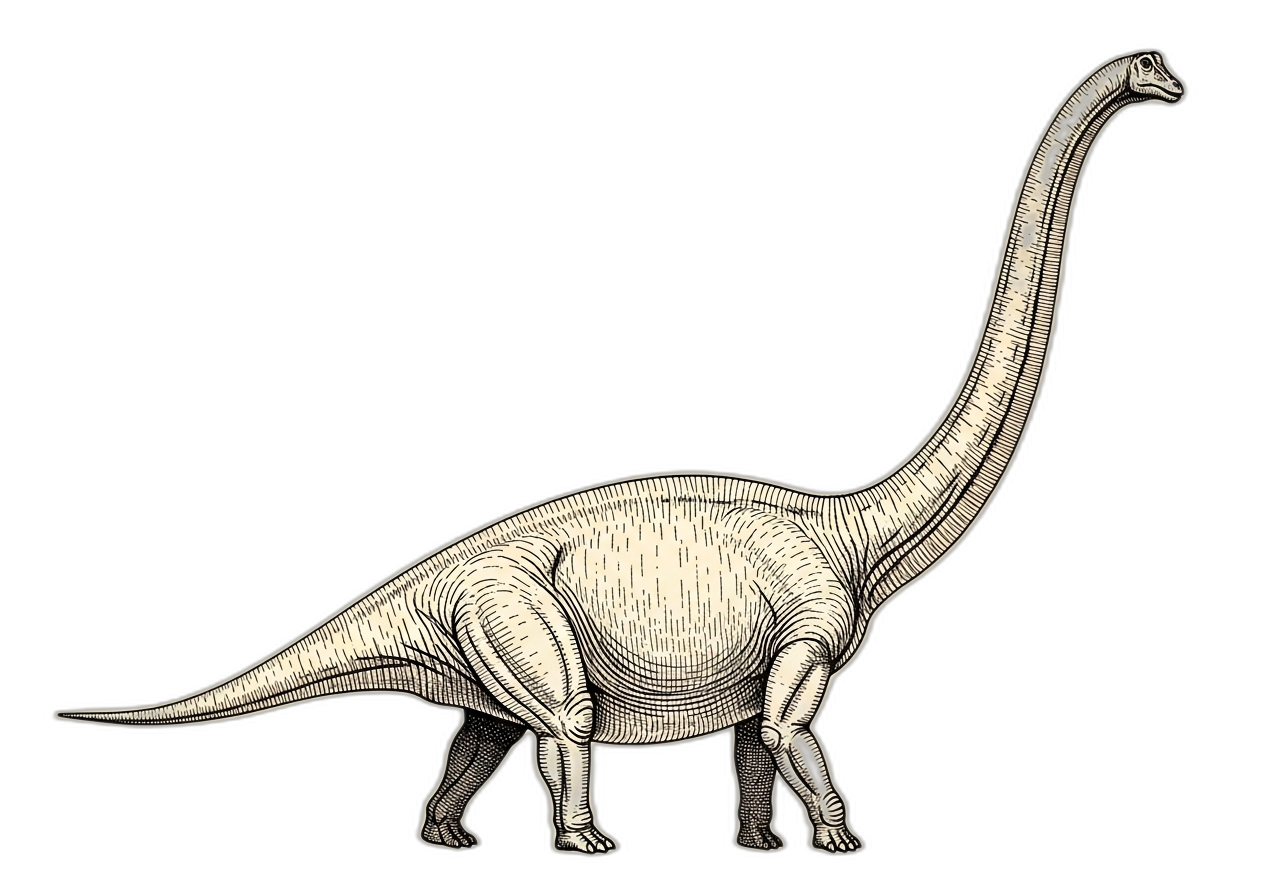
Sauroposeidon's neck vertebrae from the Antlers Formation were initially mistaken for fossil tree trunks due to their enormous size