Ischigualasto Formation
San Juan, Argentina
Why It Matters
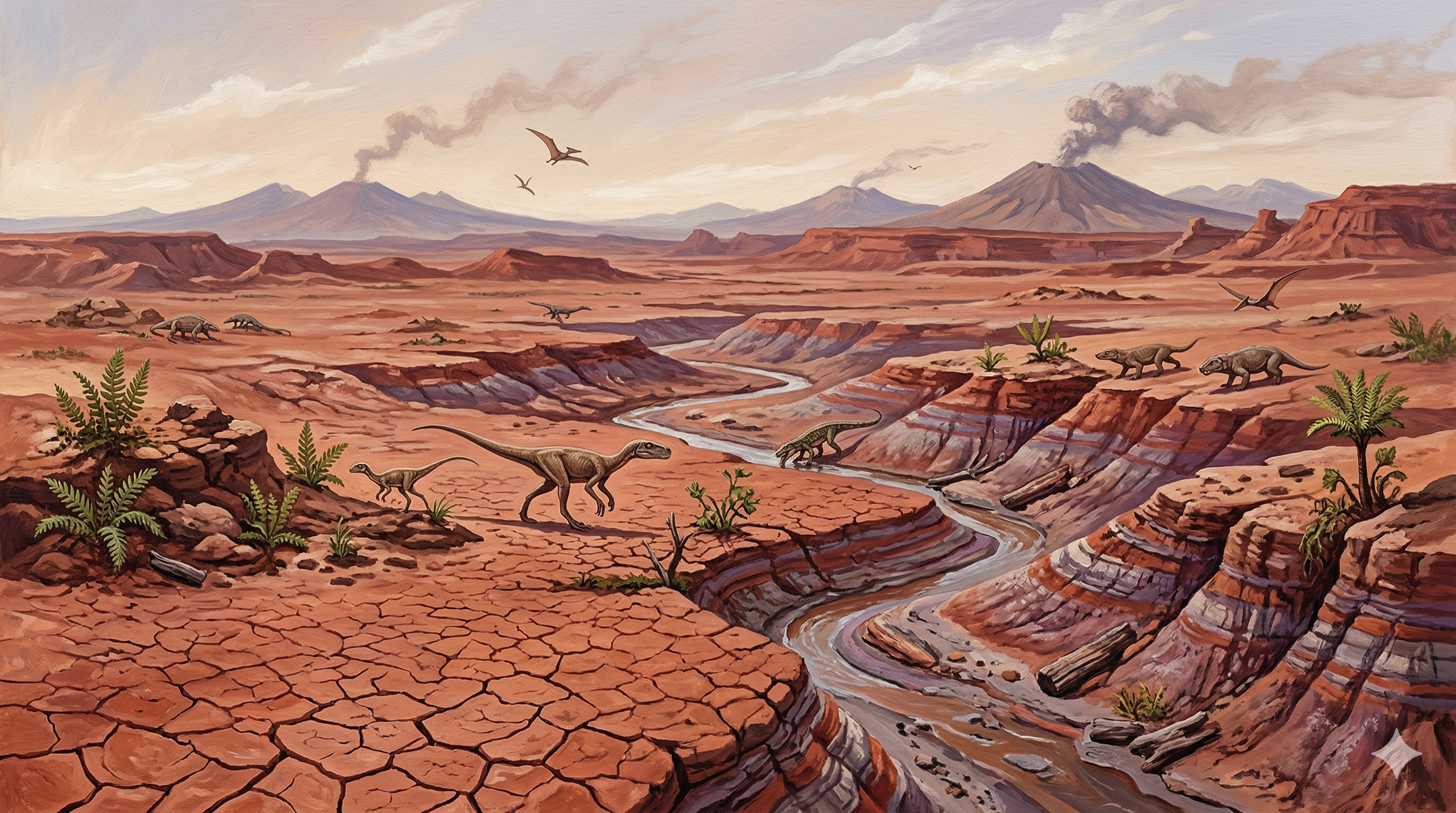
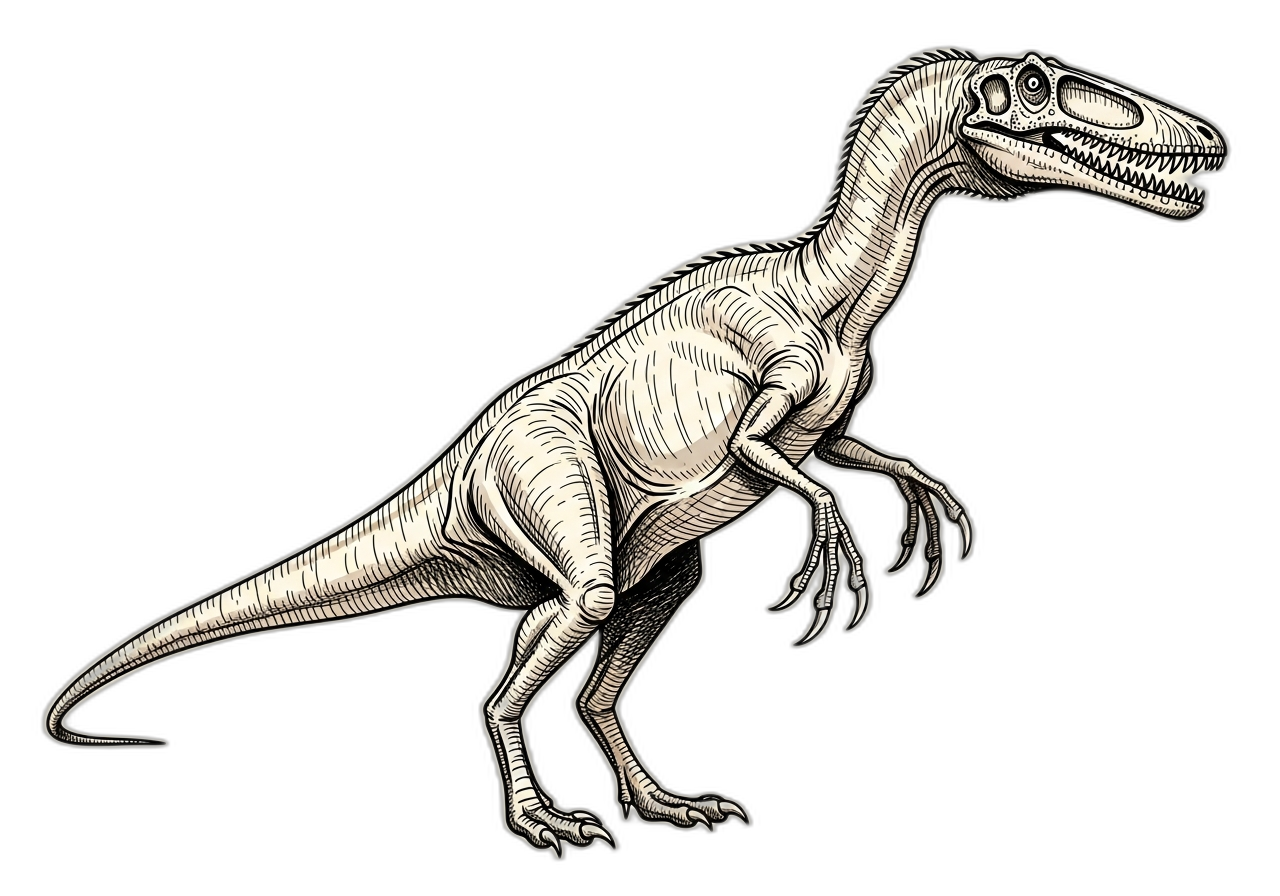
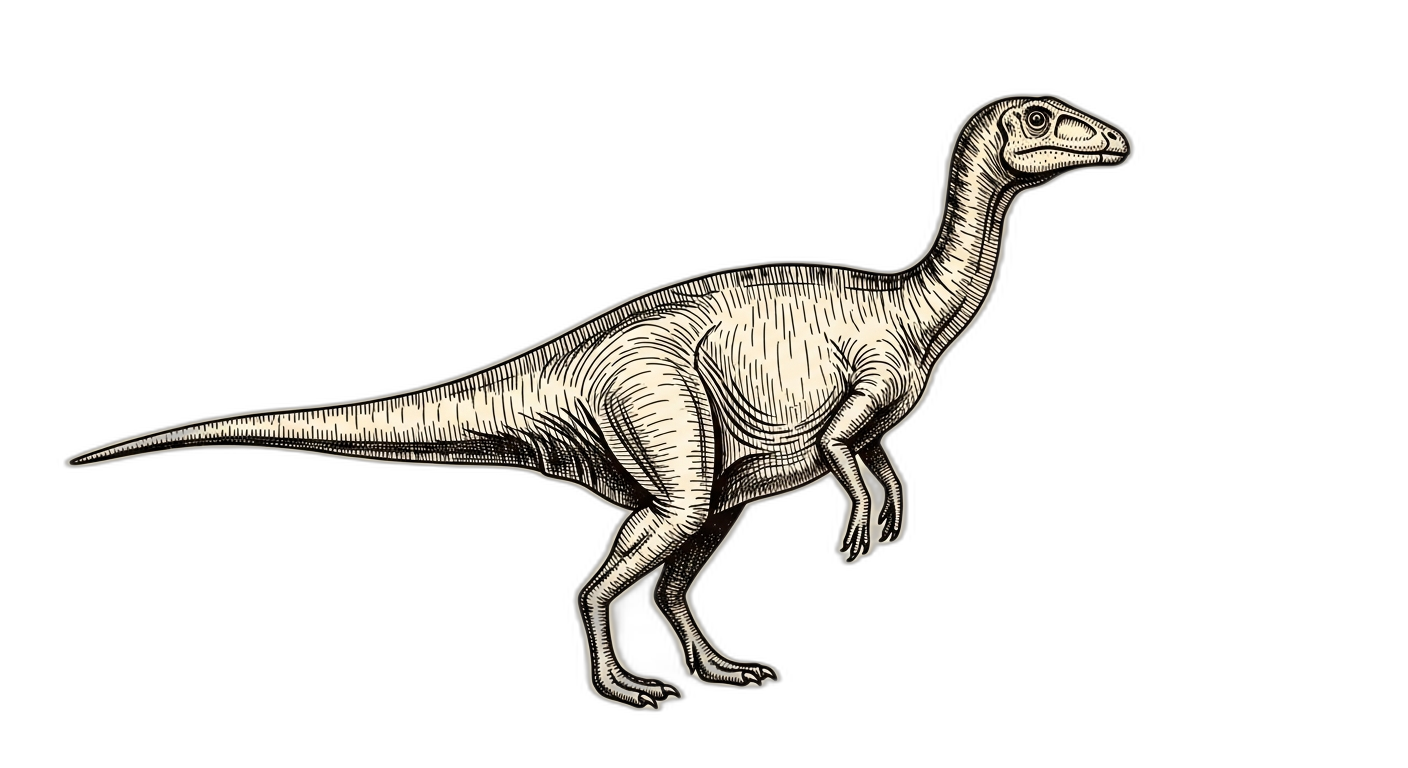
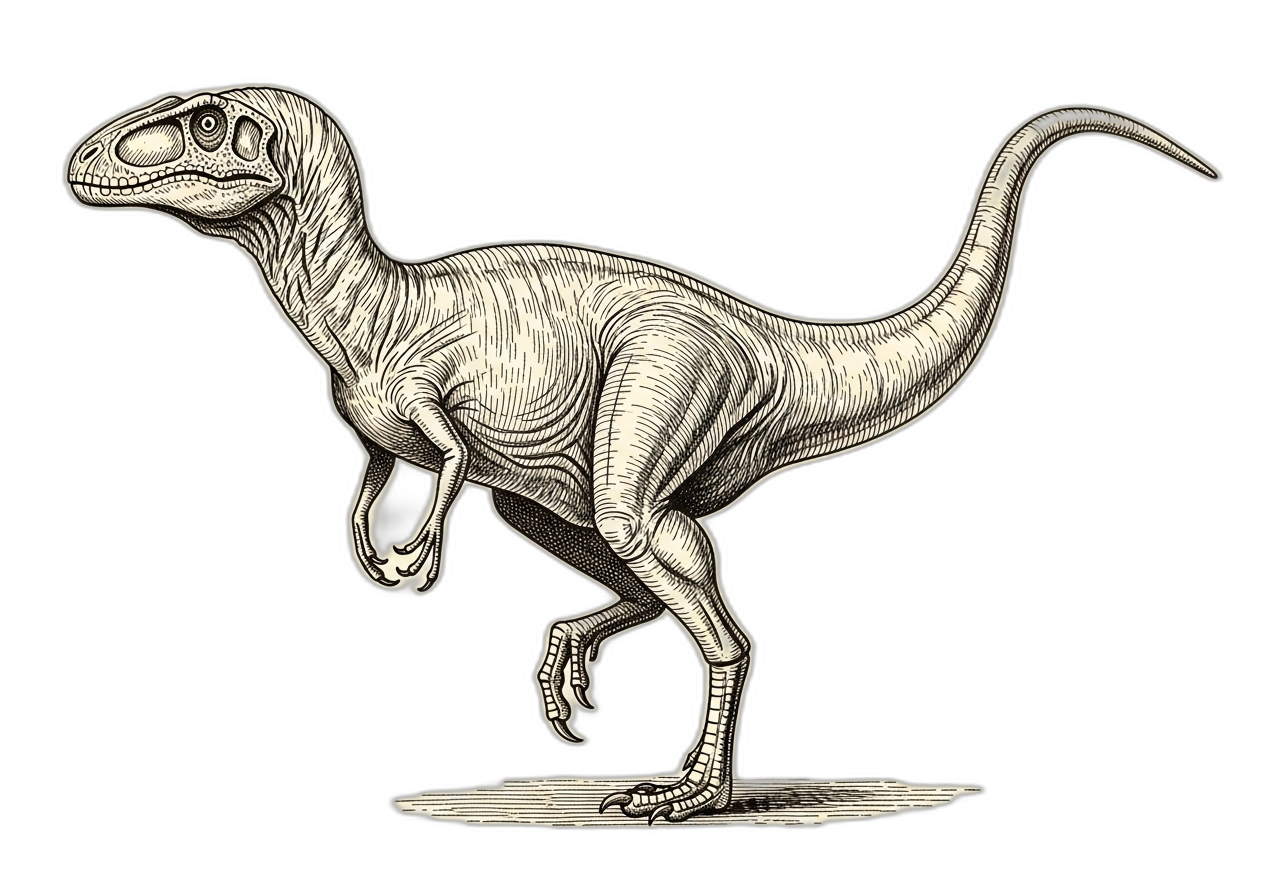
The Ischigualasto Formation preserves one of the oldest known dinosaur assemblages on Earth, dating to the very beginning of the Age of Dinosaurs some 231 million years ago. Herrerasaurus, Eoraptor, and Eodromaeus — among the earliest true dinosaurs — all come from these rocks, giving paleontologists a direct view of when dinosaurs were a minor component of a diverse reptile dominated by non-dinosaurian archosaurs. It is the single most important formation for understanding dinosaur origins.
How Fossils Survived
Deposited in a environment on a large river floodplain during the Late Triassic, the formation consists of fine-grained red and green mudstones interbedded with coarser channel sandstones. The region experienced a seasonal tropical climate, and the sediments preserve evidence of periodic flooding and dry intervals. The UNESCO World Heritage Site of Ischigualasto-Talampaya spans the formation's outcrop area.
Discovery History
Argentine geologist Víctor Contreras first noted the fossil potential of the Ischigualasto region in the 1940s, and systematic paleontological work began in the 1950s. The joint CONICET-Harvard expeditions of the 1960s led by Alfred Romer and Osvaldo Reig collected the first significant specimens. The discovery and description of Eoraptor lunensis in 1993 — a tiny, lightly built dinosaur that retained many primitive features — became a landmark in understanding early dinosaur evolution.
Dinosaurs in the Vault
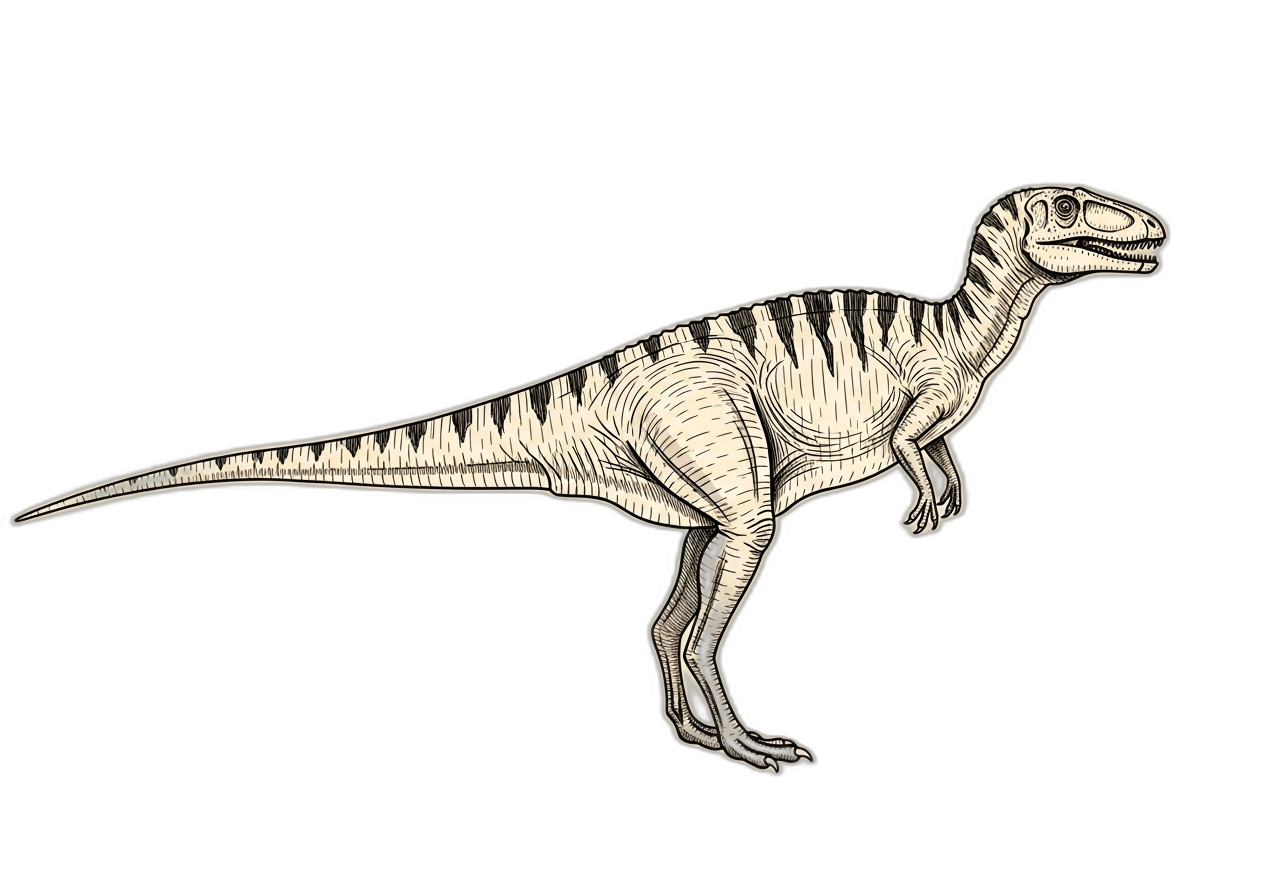
4 species in our database · sorted by size
The Ischigualasto region is locally called 'Valle de la Luna' (Valley of the Moon) because its eroded, alien landscape resembles a lunar surface.