Kem Kem Group
Drâa-Tafilalet, Béchar, Morocco, Algeria
Why It Matters
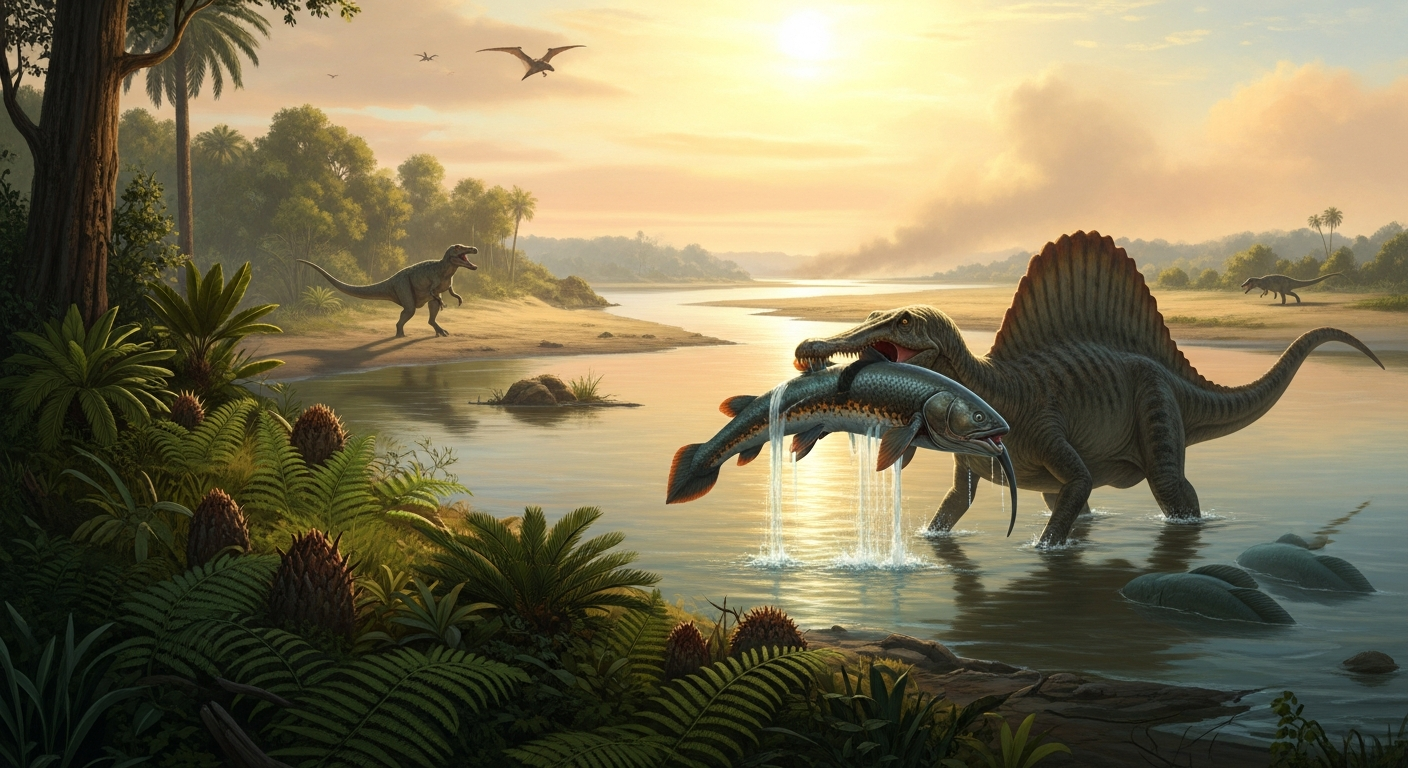
The Kem Kem Group preserves one of the most diverse assemblages of mid-Cretaceous predatory dinosaurs known worldwide, including the giant theropods Spinosaurus aegyptiacus and Carcharodontosaurus saharicus. This formation is notable for its unusually high ratio of predators to herbivores, sparking debate about trophic dynamics and ecological partitioning among large carnivores.
How Fossils Survived
The Kem Kem Group consists primarily of sandstones, siltstones, and mudstones deposited in a river system along the northern margin of Africa. The depositional environment included large river channels, floodplains, and coastal estuaries with abundant aquatic life. Fossils are typically preserved as isolated bones and teeth, often concentrated in lag deposits.
Discovery History
Fossils from the Kem Kem region were first scientifically described by French paleontologists in the mid-20th century, with Ernst Stromer's earlier Egyptian expeditions providing context for related . Large-scale commercial and scientific collecting intensified from the 1990s onward, with major expeditions by teams from Europe and North America. In 2020, Ibrahim et al. published a comprehensive monograph synthesizing decades of research on the formation.
Dinosaurs in the Vault
2 species in our database · sorted by size
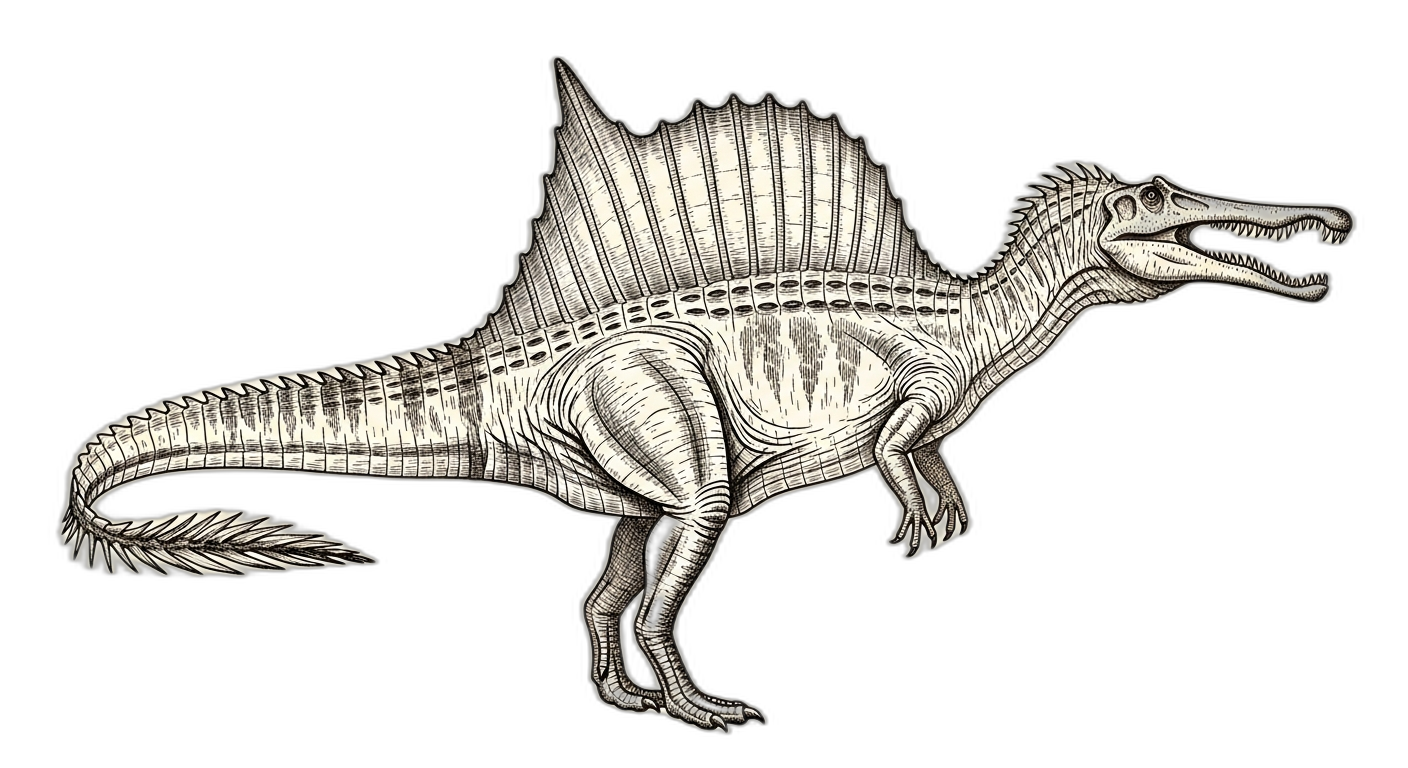
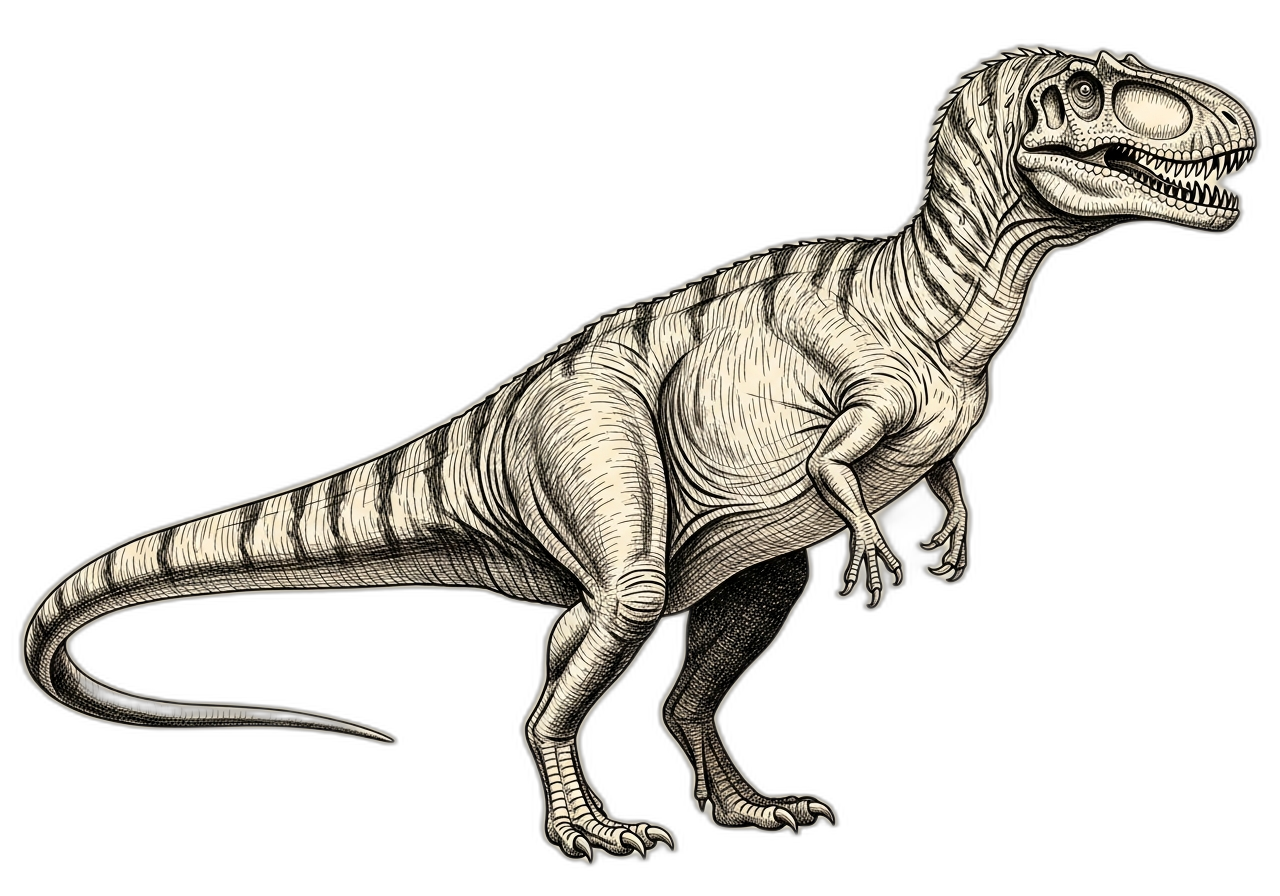
The Kem Kem fauna includes at least 4 large theropod species exceeding 6 meters in length coexisting in the same ecosystem