La Amarga Formation
Neuquén, Argentina
Why It Matters
The La Amarga Formation is renowned for yielding Amargasaurus cazaui, a distinctive dicraeosaurid with elongated bifurcated . This formation provides critical evidence for understanding Early Cretaceous dinosaur faunas in South America and the evolution of derived sauropod lineages following Gondwanan isolation.
How Fossils Survived
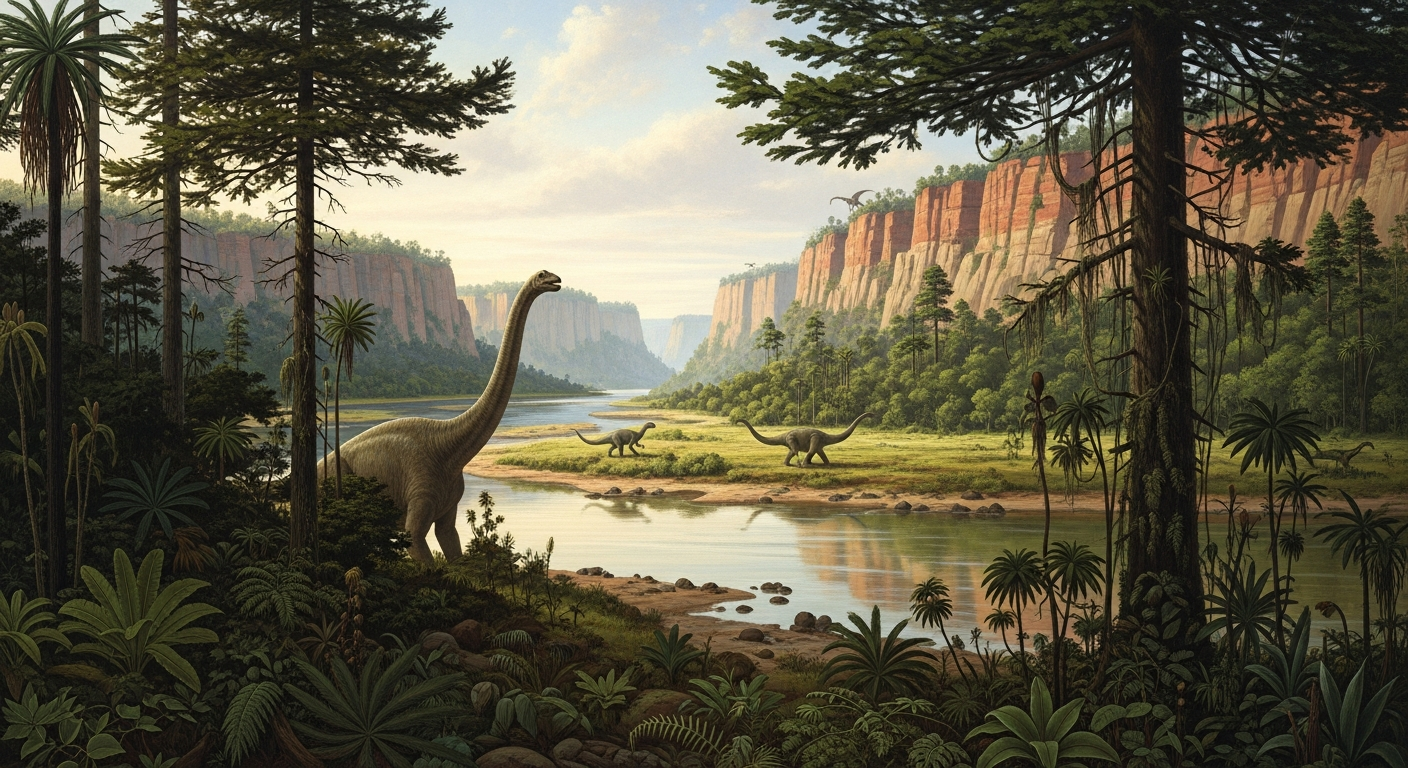
The La Amarga Formation consists primarily of sandstones, mudstones, and conglomerates deposited in a continental river and floodplain environment. These Barremian-age sediments represent meandering river systems with seasonal variations. Preservation conditions favored and associated skeletal remains in channel and overbank deposits.
Discovery History
The formation was first studied in detail during the 1980s by Argentine paleontologists working in Neuquén Province. José Bonaparte led expeditions that discovered the of Amargasaurus in 1984 at La Amarga Arroyo. Subsequent fieldwork has continued to reveal additional vertebrate from this important Early Cretaceous unit.
Dinosaurs in the Vault
1 species in our database · sorted by size
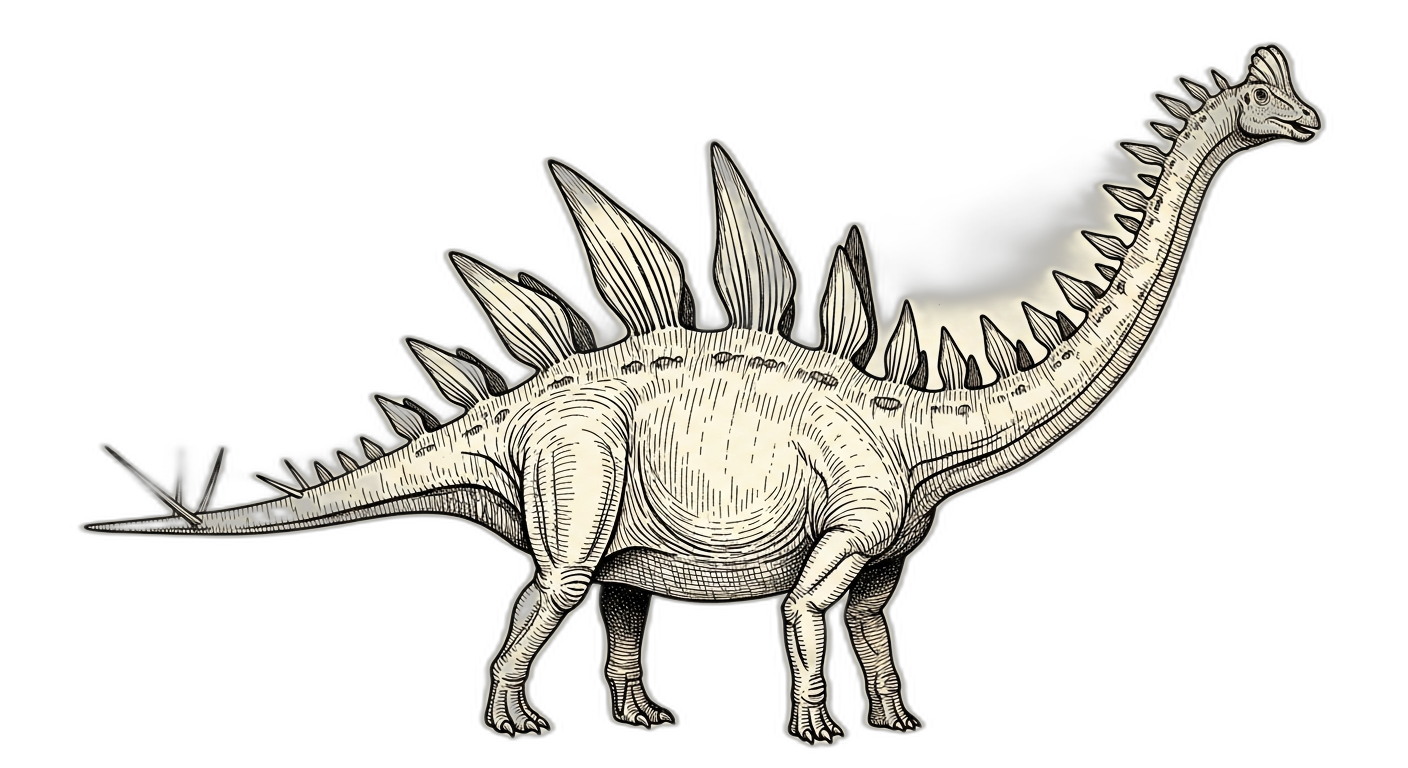
Amargasaurus possessed paired neural spines reaching up to 60 cm in length along its neck and back, making it one of the most bizarrely ornamented sauropods known