Solnhofen Limestone
Bavaria, Germany
Why It Matters
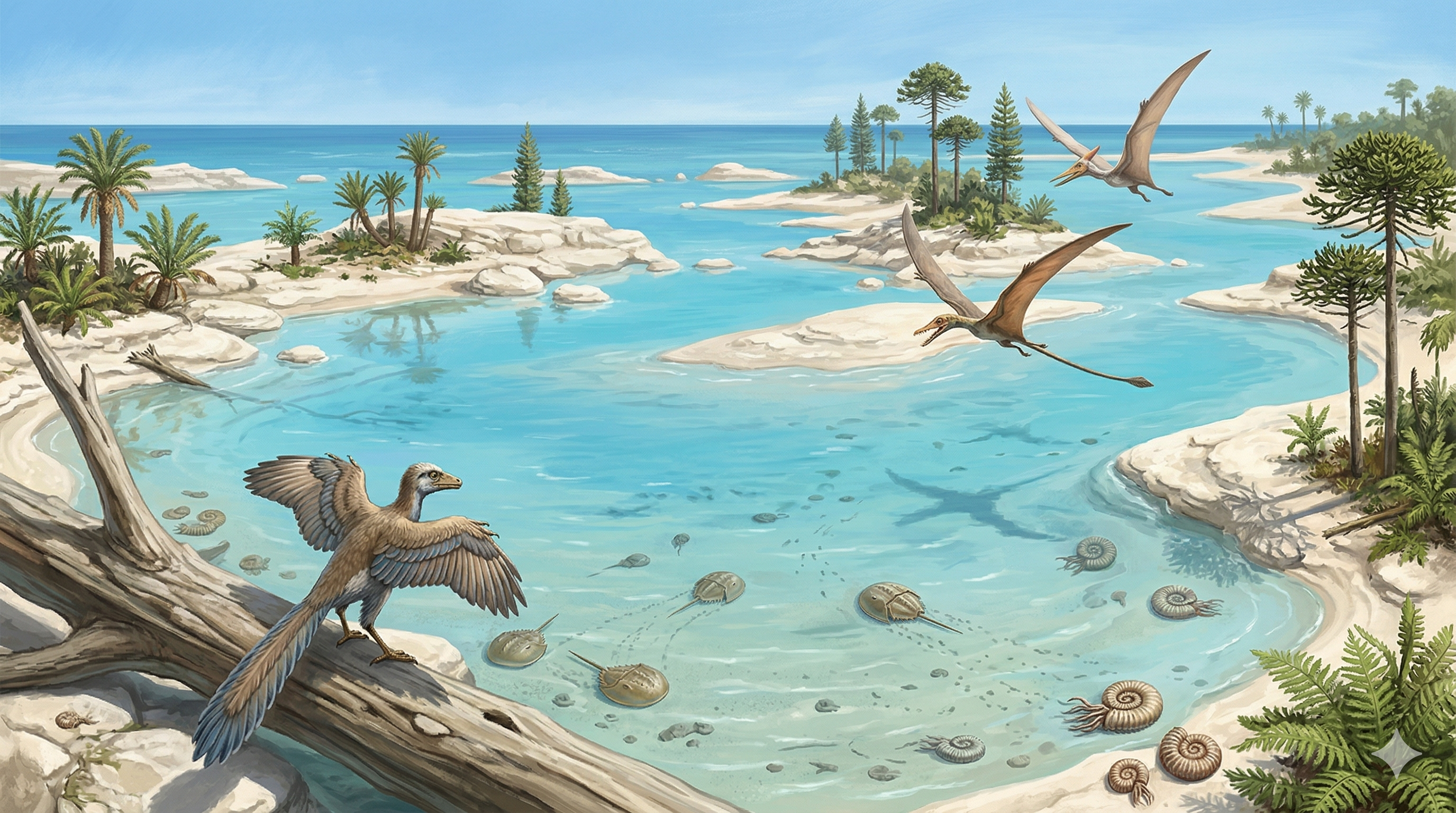
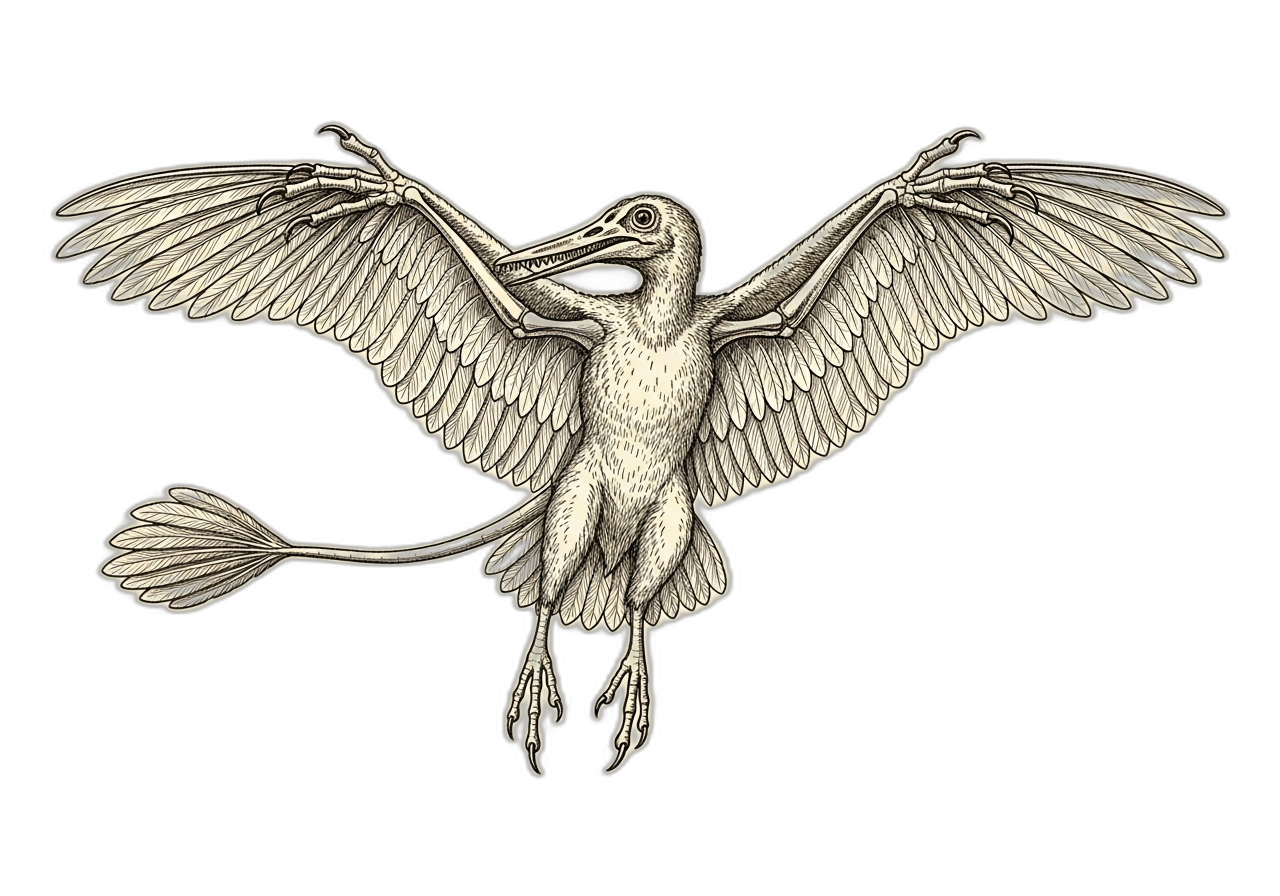
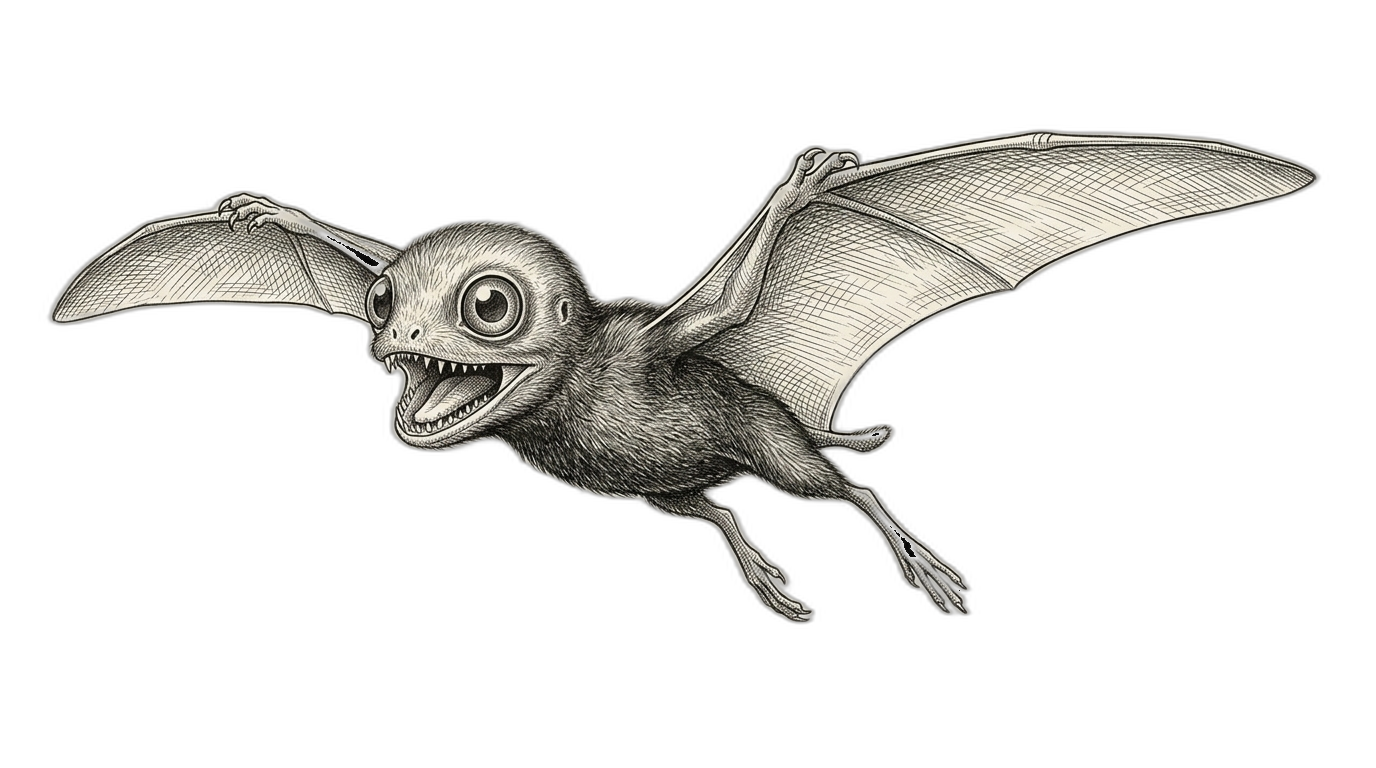
The Solnhofen Limestone is one of the most celebrated Lagerstätten (exceptional preservation sites) on Earth, preserving exquisite fossils of Jurassic organisms with their soft tissues intact. It produced Archaeopteryx, the iconic transitional fossil between dinosaurs and birds, as well as perfectly preserved pterosaurs, fish, and with feathers, wing membranes, and skin outlines. No other Late Jurassic site approaches it for preservation quality.
How Fossils Survived
The formation was deposited in a shallow, hypersaline lagoon system along the northern margin of the Tethys Sea. Extreme salinity and low oxygen at the lagoon floor prevented scavengers and decomposers from reaching sunken carcasses, enabling preservation of soft tissue structures. The fine-grained carbonate mud compressed into smooth, even-bedded limestone that has been quarried for centuries as a lithographic printing stone.
Discovery History
Quarrying for lithographic limestone at Solnhofen began in the medieval period, and workers discovered stunning fossils as a routine byproduct. The first Archaeopteryx specimen — a single feather — was described in 1861, just two years after Darwin published On the Origin of Species, making it an immediate icon of evolutionary theory. Twelve Archaeopteryx specimens have now been found, each revealing new details of early bird anatomy.
Dinosaurs in the Vault
5 species in our database · sorted by size
The Solnhofen limestone was the preferred printing stone for lithography from the 1790s through the early 20th century — millions of artistic prints were made from slabs that also contained fossils.