About
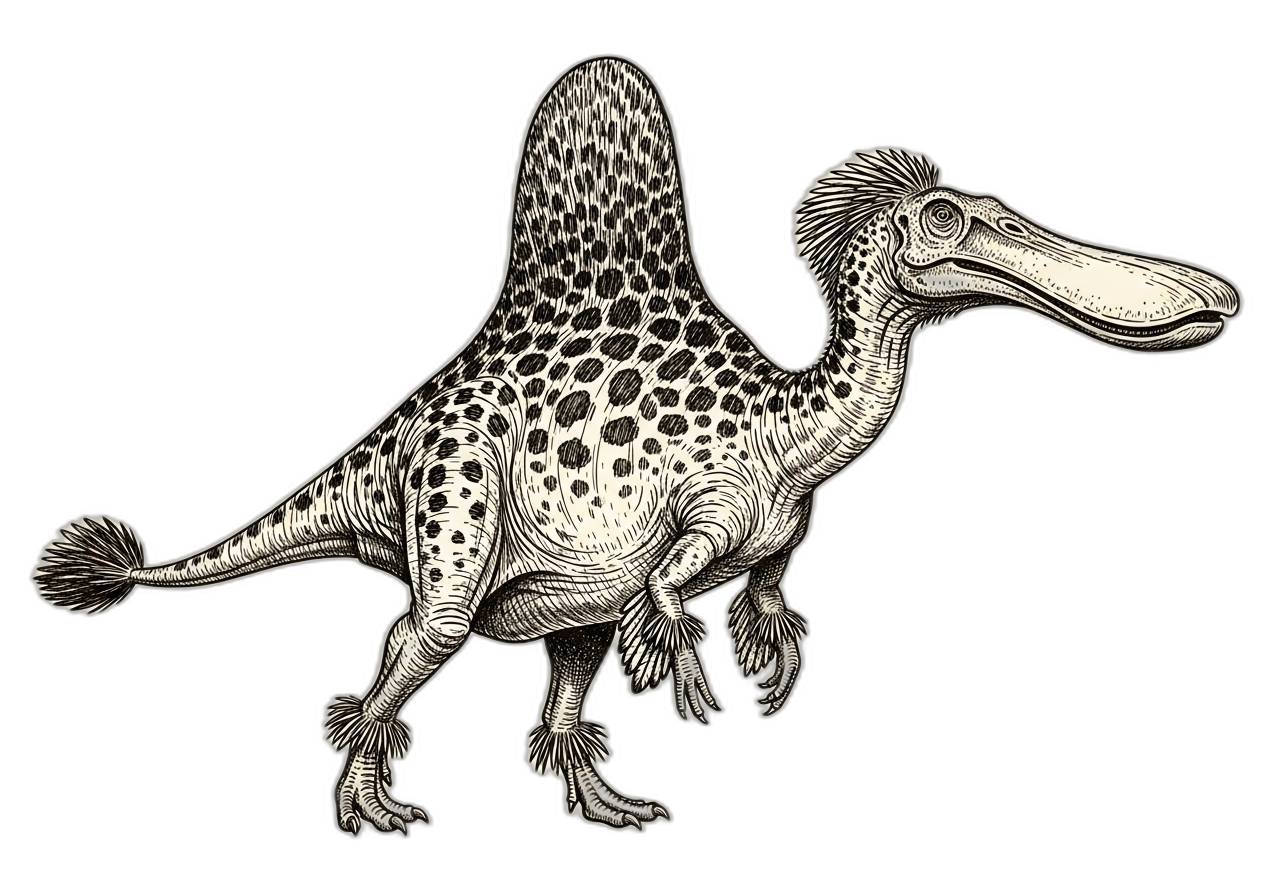
Deinocheirus mirificus—whose name means "unusual horrible hand"—stands as one of paleontology's most spectacular puzzles finally solved. For nearly fifty years, this dinosaur was known only from a pair of enormous arms discovered in Mongolia's Gobi Desert in 1965, each stretching over eight feet long and tipped with fearsome ten-inch claws. These mysterious limbs sparked decades of wild speculation about what creature could possess such terrifying appendages.
The full picture emerged only in 2014, when additional specimens revealed a beast far stranger than anyone imagined. Deinocheirus was a colossal —a group typically known for slender, ostrich-like forms—yet this species shattered all expectations. Standing roughly sixteen feet tall at the hip and stretching over thirty-six feet from snout to tail, it was the largest member of its family by an enormous margin. Its body was unexpectedly bulky, supported by powerful hind legs that carried its considerable weight across the ancient floodplains of Late Cretaceous Mongolia, approximately seventy million years ago.
Perhaps most surprising was its skull: elongated, toothless, and ending in a broad, spoon-shaped bill reminiscent of a 's. This strange head, combined with over a thousand gastroliths found in its stomach region alongside fish remains, suggests Deinocheirus was an omnivore, scooping vegetation and aquatic prey from wetland environments. A prominent -like structure rose along its back, possibly for or .
Deinocheirus moved as a biped, its massive arms likely used for gathering food or defense rather than locomotion. It shared its humid, river-rich habitat with tyrannosaurs and giant hadrosaurs.
This dinosaur reminds us that evolution's creativity exceeds our imagination—and that patience in science ultimately unveils nature's most extraordinary secrets.
Where fossils were found
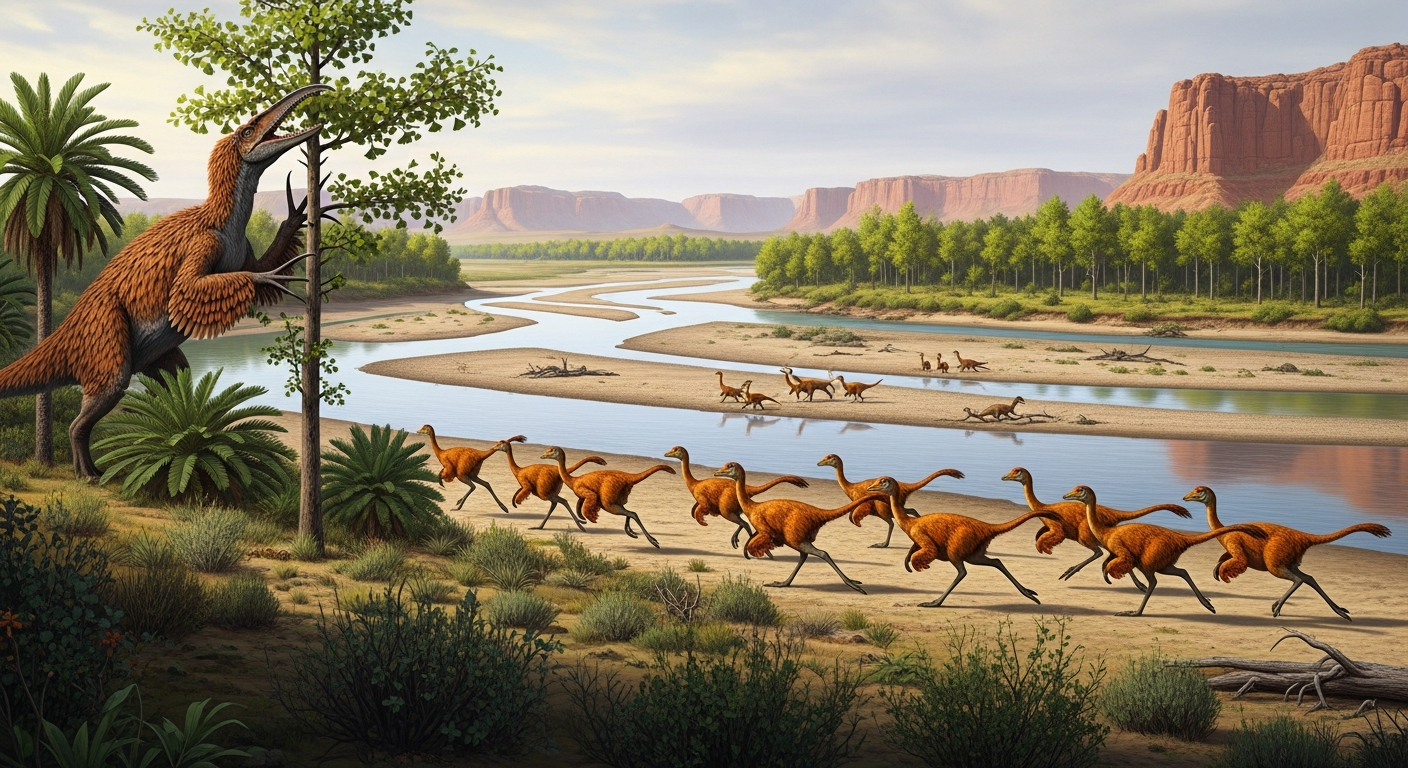
Nemegt Formation
Ömnögovi Province · Mongolia
71–69 million years ago(2m year span)
Where Deinocheirus Roamed
Deinocheirus mirificus inhabited the humid floodplains and river systems of the Nemegt Formation in what is now Mongolia's Gobi Desert, a region that 70 million years ago was part of the vast Asian landmass far from the ancient Tethys Sea. This Late Cretaceous environment featured meandering rivers, seasonal wetlands, and lush vegetation that supported a diverse ecosystem of dinosaurs, including this remarkable giant ornithomimosaur.
Keep exploring the vault
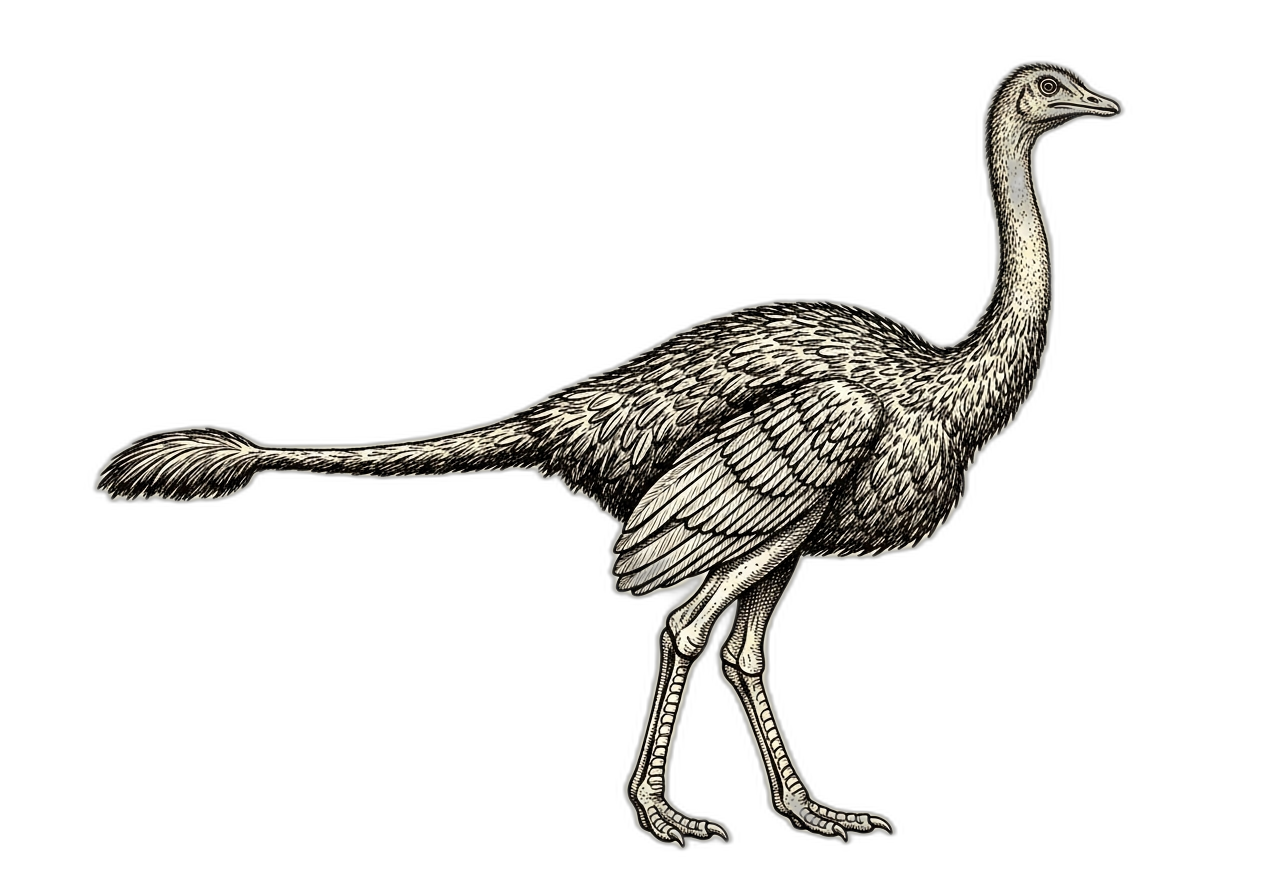
Gallimimus
Gallimimus bullatus
Both are ornithomimosaurs from the Nemegt Formation with omnivorous diets, though Deinocheirus was substantially larger.
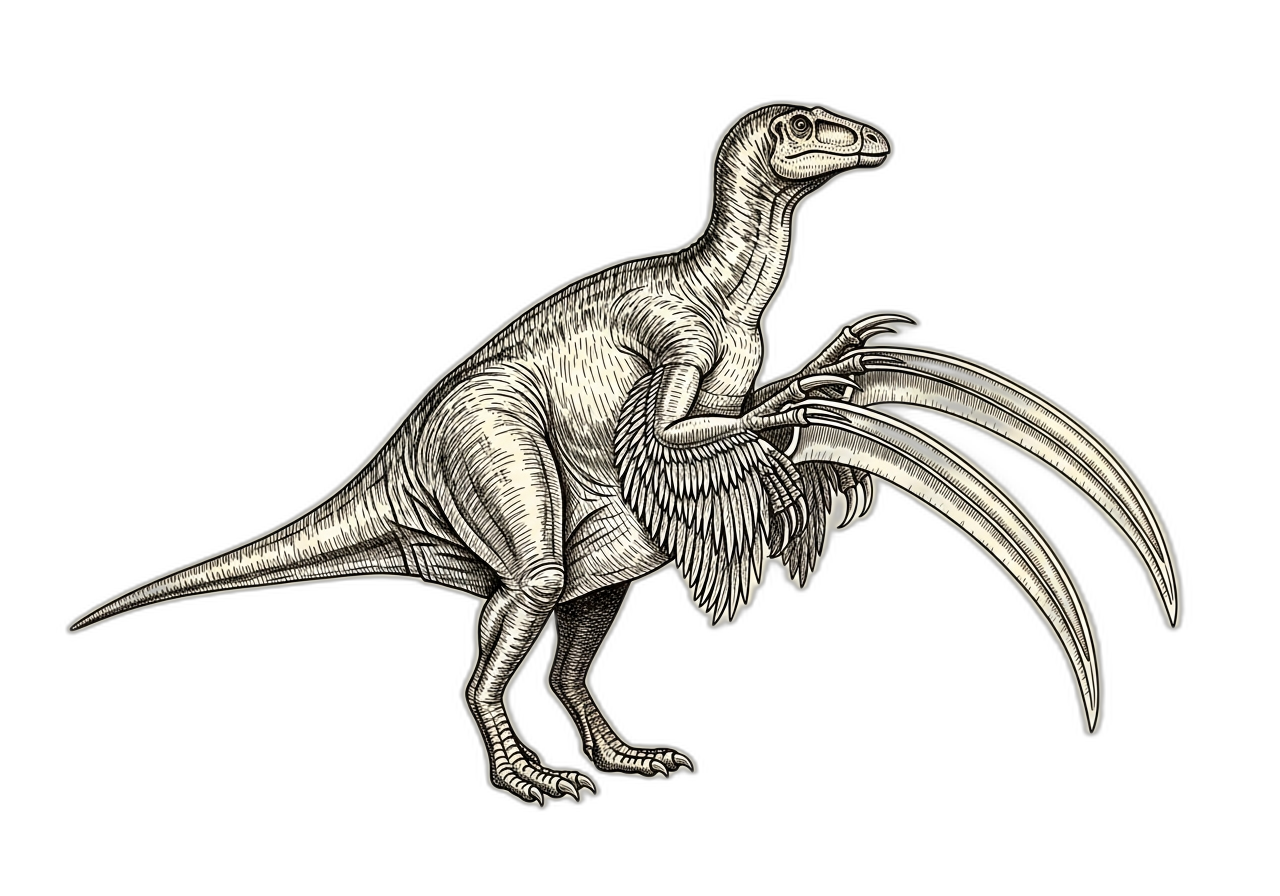
Therizinosaurus
Therizinosaurus cheloniformis
Both represent independent theropod lineages that evolved massive size, reduced carnivory, and bizarre body plans with enormous claws.
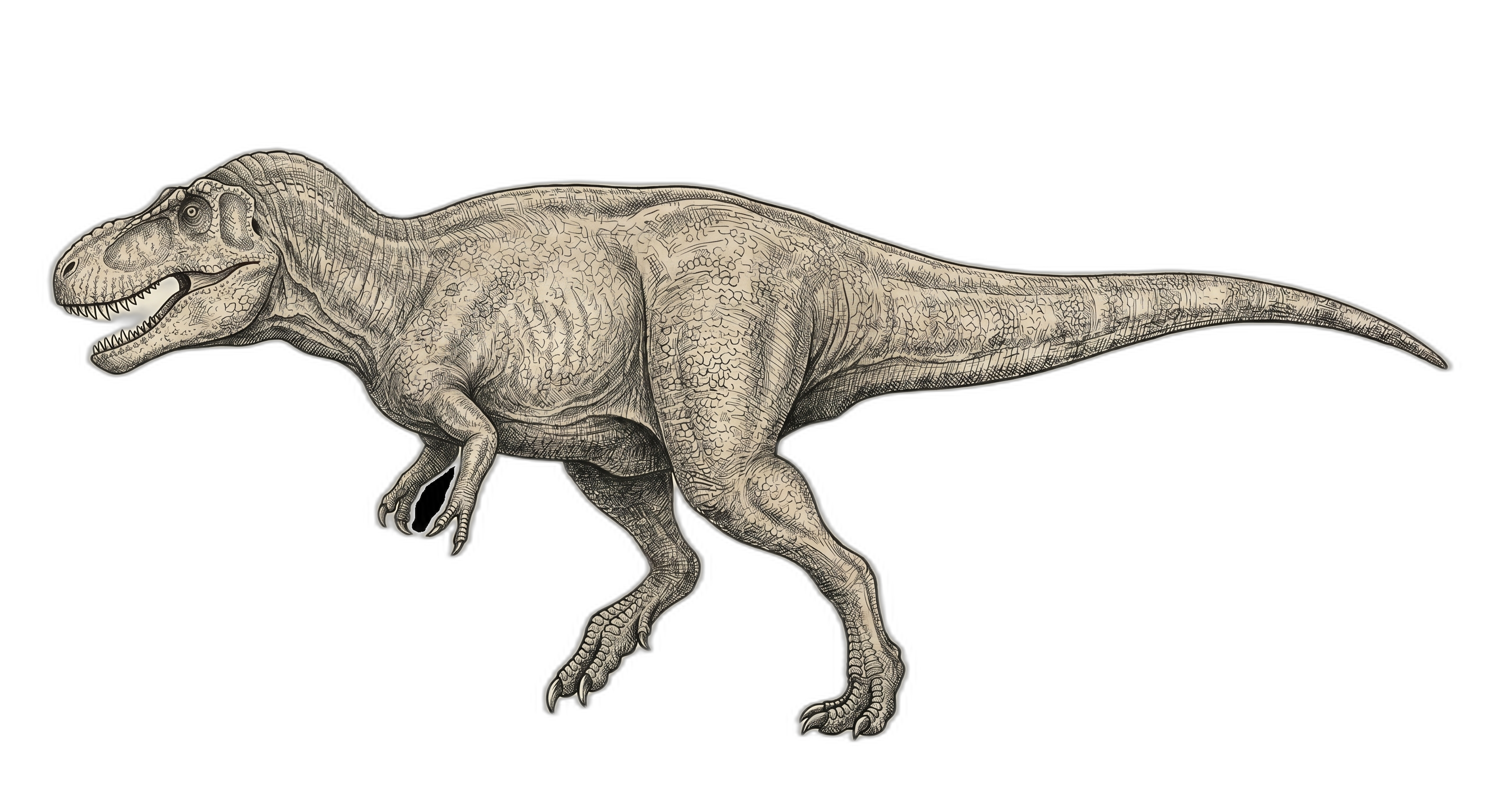
Tarbosaurus
Tarbosaurus bataar
Deinocheirus is known from the Nemegt Formation of Mongolia, directly overlapping with Tarbosaurus in time and space.
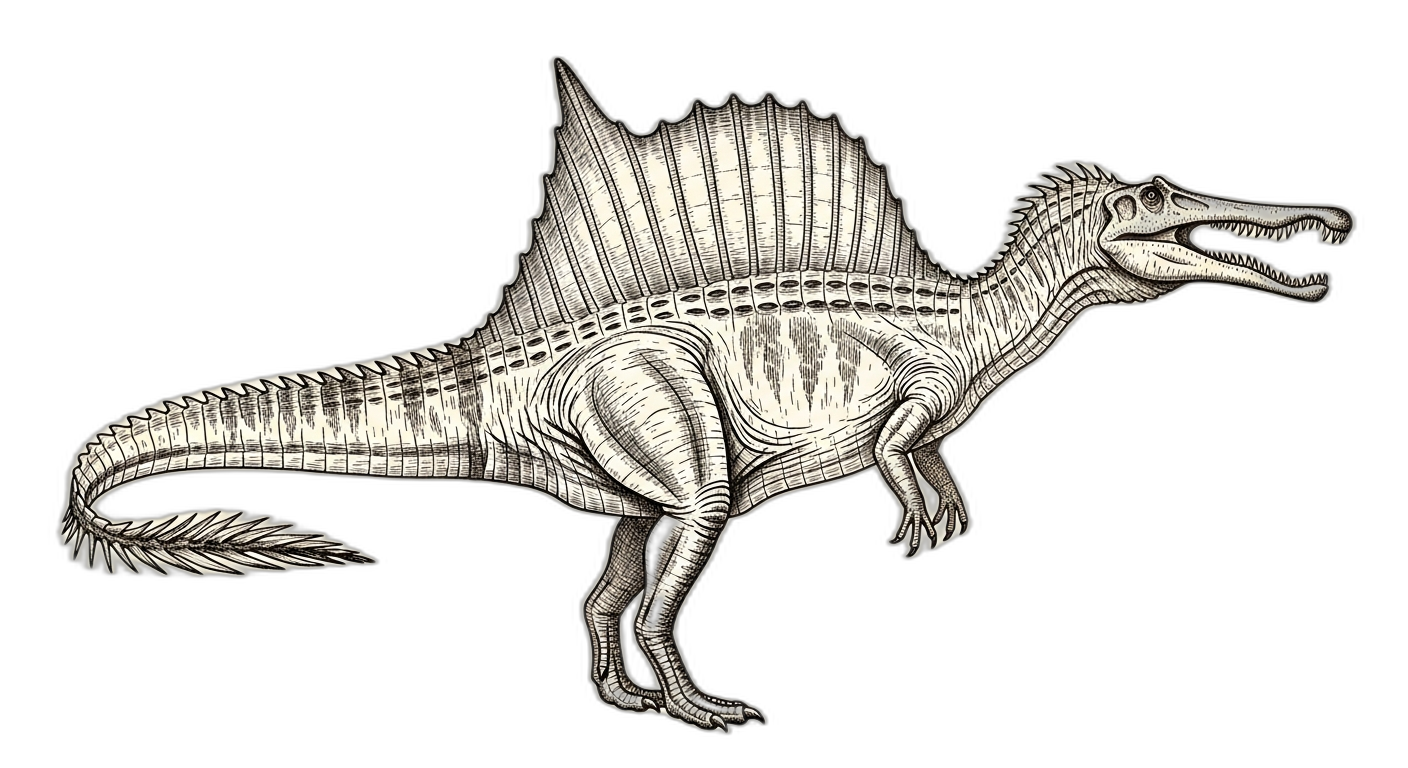
Spinosaurus
Spinosaurus aegyptiacus
Both are giant theropods that independently evolved semi-aquatic feeding adaptations.
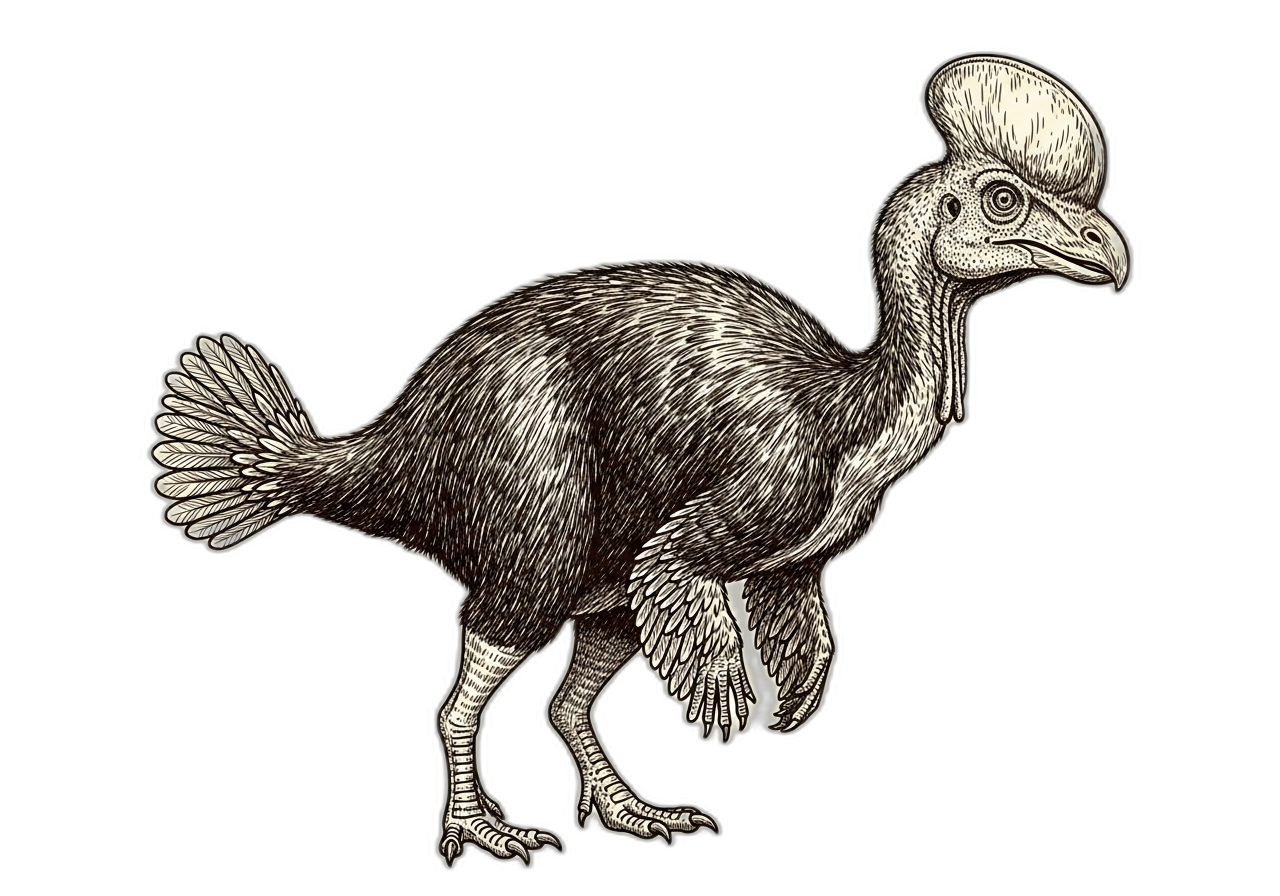
Oviraptor
Oviraptor philoceratops
Both are maniraptoran theropods from Late Cretaceous Mongolia (Oviraptor from the slightly older Djadochta Formation but representing the same regional fauna).
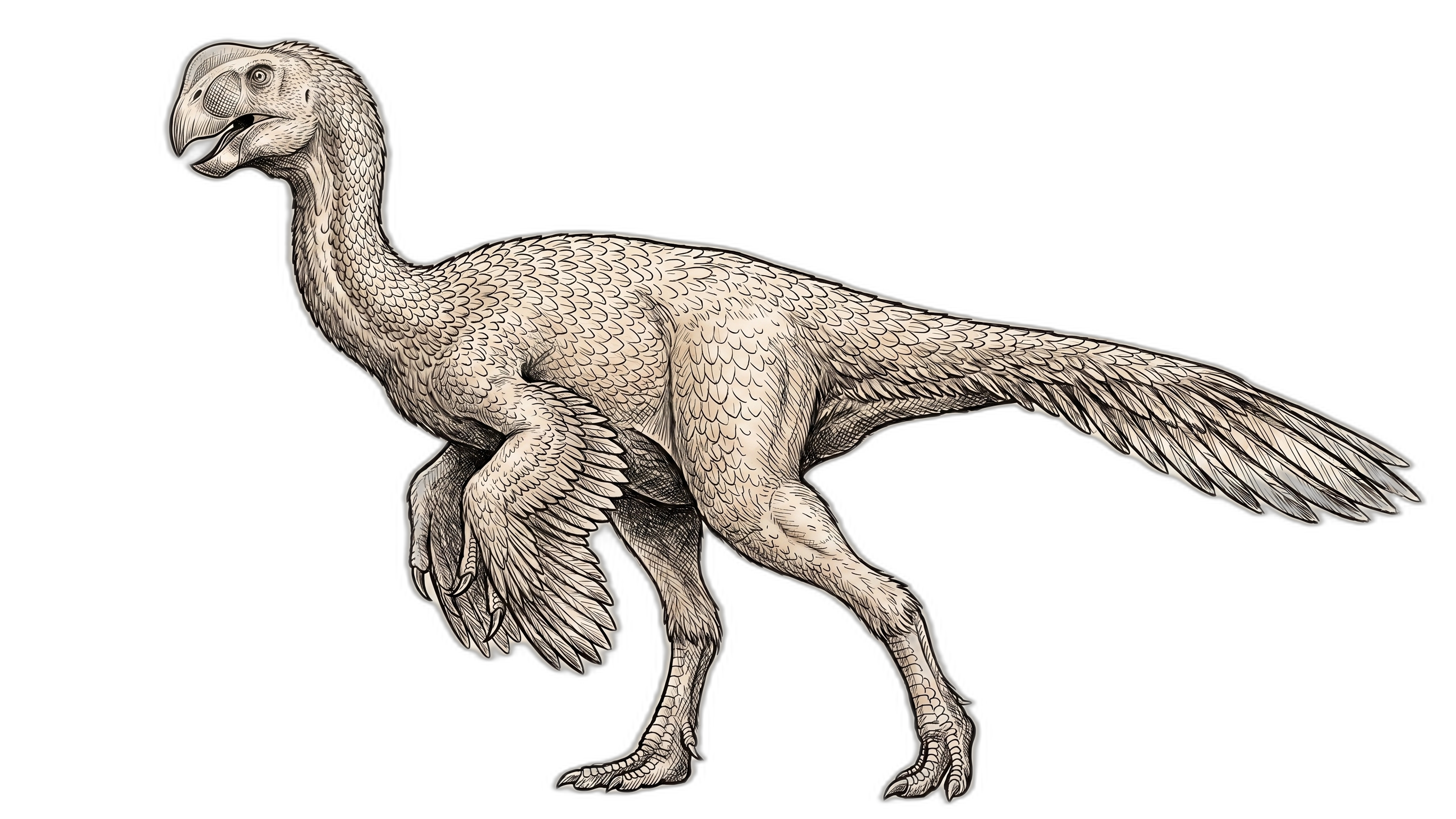
Gigantoraptor
Gigantoraptor erlianensis
Both are giant Late Cretaceous Asian theropods that evolved away from purely carnivorous diets toward omnivory, with unusual body proportions and likely similar ecological roles as large non-predatory theropods — representing convergent gigantism in maniraptoran-grade dinosaurs.