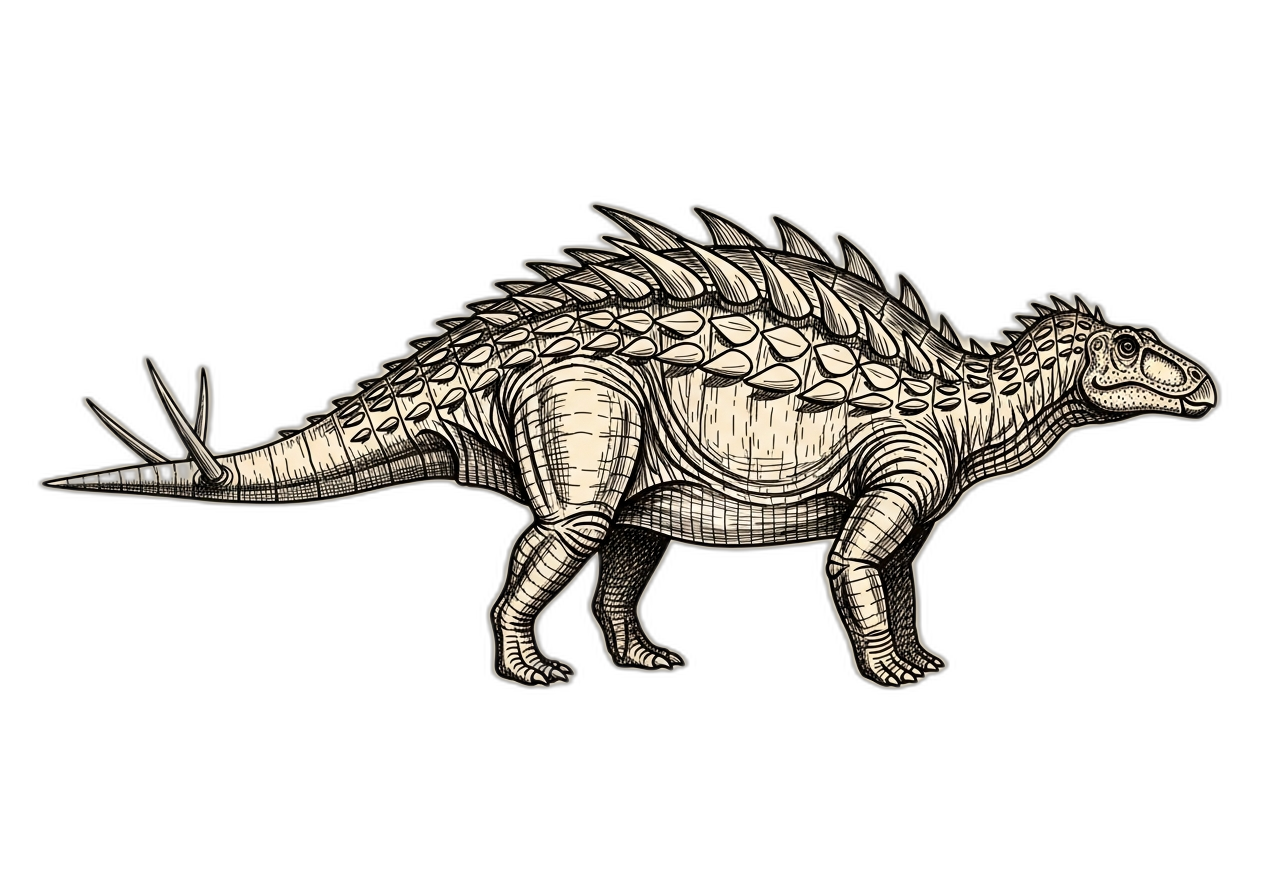
About
Kentrosaurus was a medium-sized stegosaurid that roamed what is now Tanzania during the Late Jurassic period, roughly 155-150 million years ago. Unlike its more famous relative Stegosaurus, which bore broad plates along its back, Kentrosaurus featured a striking arrangement of small plates near its neck that transitioned into long, sharp paired spines running down its back and tail. An additional pair of spines projected sideways from its shoulders, creating an impressive defensive array.
This herbivore likely browsed on low-growing vegetation, as its small head positioned close to the ground was poorly suited for reaching high foliage. Its narrow, beaked snout suggests it may have been a selective feeder, choosing specific plants rather than bulk-feeding like some larger herbivores. The brain was famously tiny even by dinosaur standards, though the old myth of a 'second brain' in its hip region has been thoroughly debunked.
Kentrosaurus was discovered during the remarkable Tendaguru expeditions conducted by German paleontologists between 1909 and 1913. Edwin Hennig formally named and described the species in 1915. These expeditions, which employed hundreds of local workers, unearthed an extraordinary dinosaur including Giraffatitan and Elaphrosaurus. The Kentrosaurus material includes bones from multiple individuals, giving scientists a relatively good understanding of this animal.
Recent analyses have challenged the long-held view that Kentrosaurus was a 'primitive' . Instead, it appears to be a fairly derived member of Stegosauridae, closely related to the North American Stegosaurus. This suggests that stegosaurids had achieved a near-global distribution by the Late Jurassic, with sophisticated members on multiple continents.
Where fossils were found
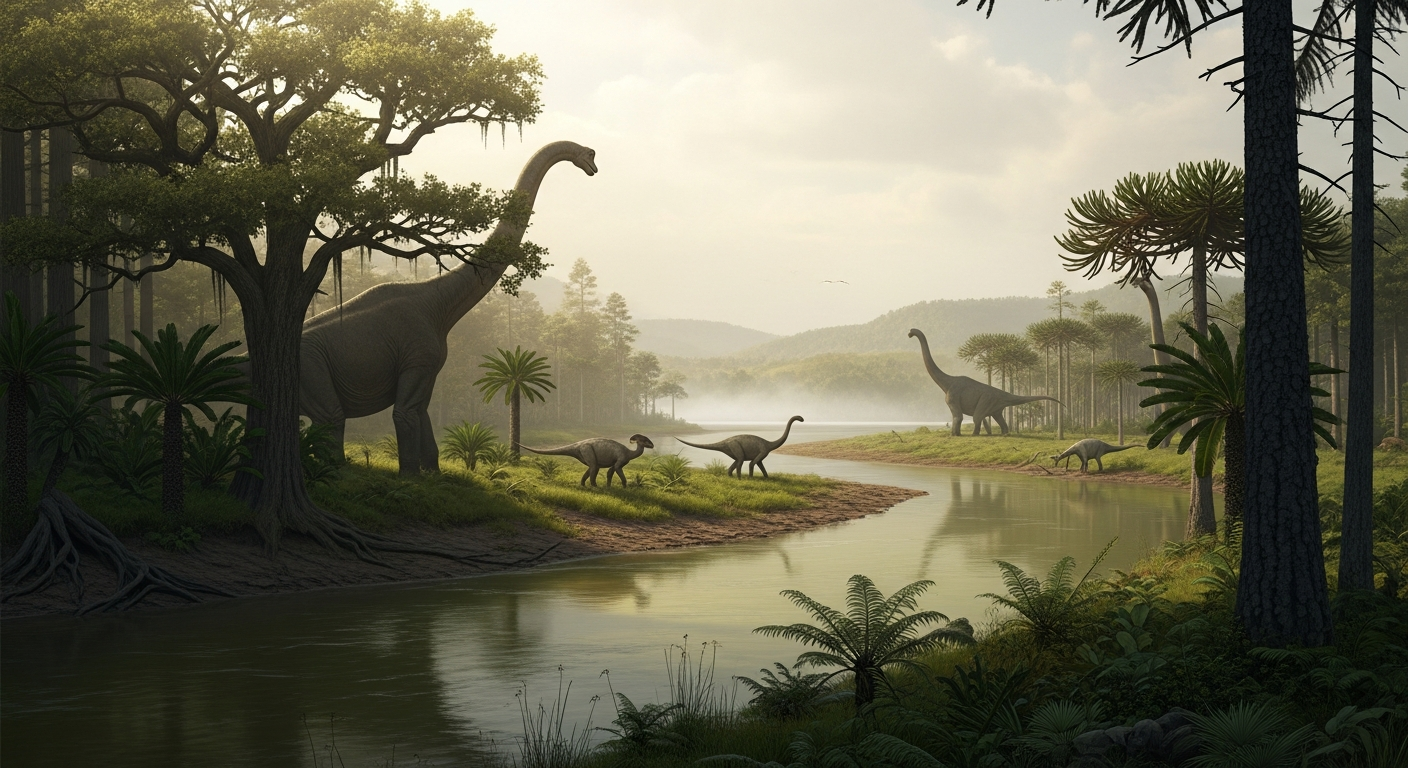
Tendaguru Formation
Lindi · Tanzania
154.8–143.1 million years ago(11.7m year span)
Where Kentrosaurus Roamed
During the Late Jurassic, *Kentrosaurus aethiopicus* roamed the coastal lowlands of what is now Tanzania, then part of the fragmenting supercontinent Gondwana as it began separating from Laurasia. This region featured a warm, semi-arid climate with seasonal rivers and lush vegetation corridors near the shores of the young proto-Indian Ocean, creating a rich ecosystem preserved today in the famous Tendaguru Formation.
Keep exploring the vault
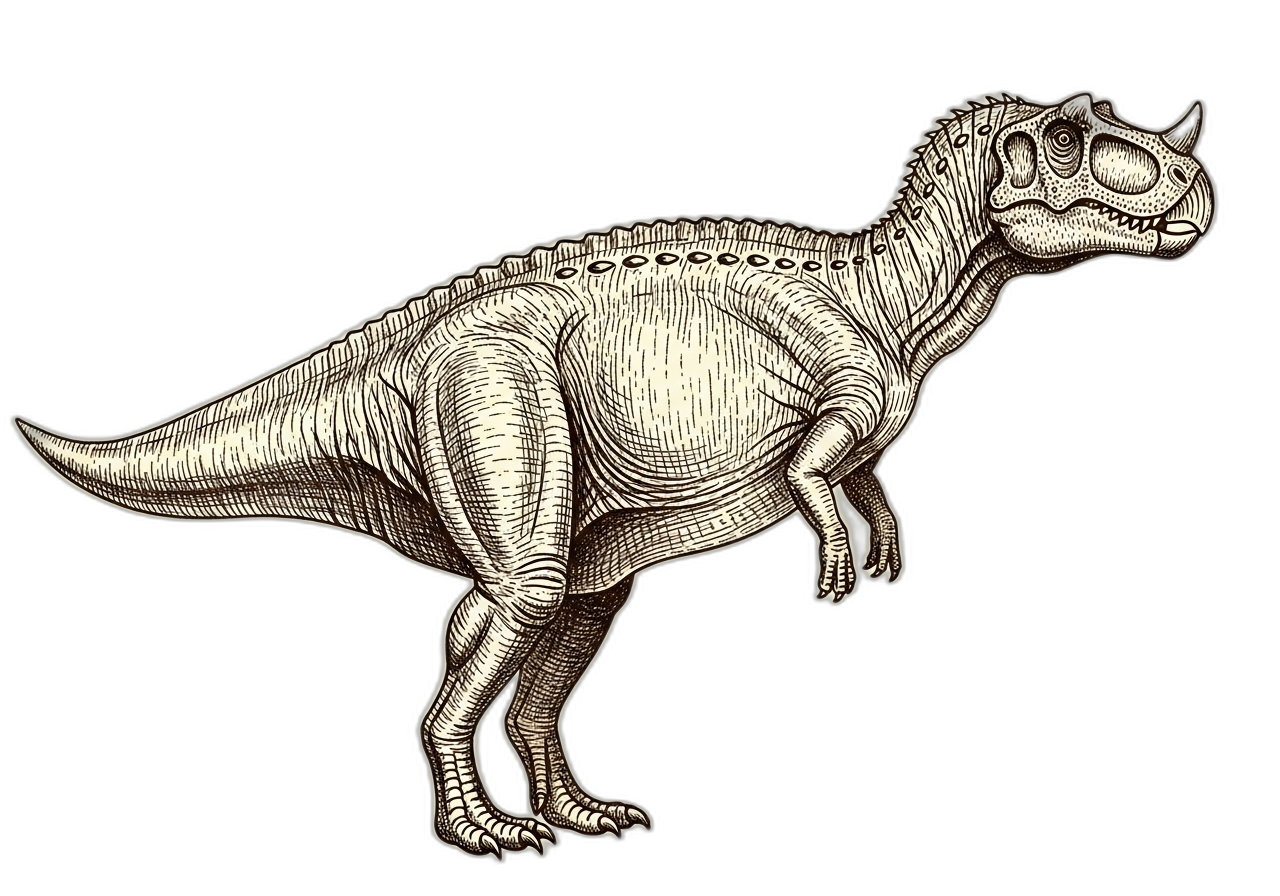
Ceratosaurus
Ceratosaurus nasicornis
Ceratosaurus was a medium-sized Late Jurassic theropod predator contemporaneous with Kentrosaurus.
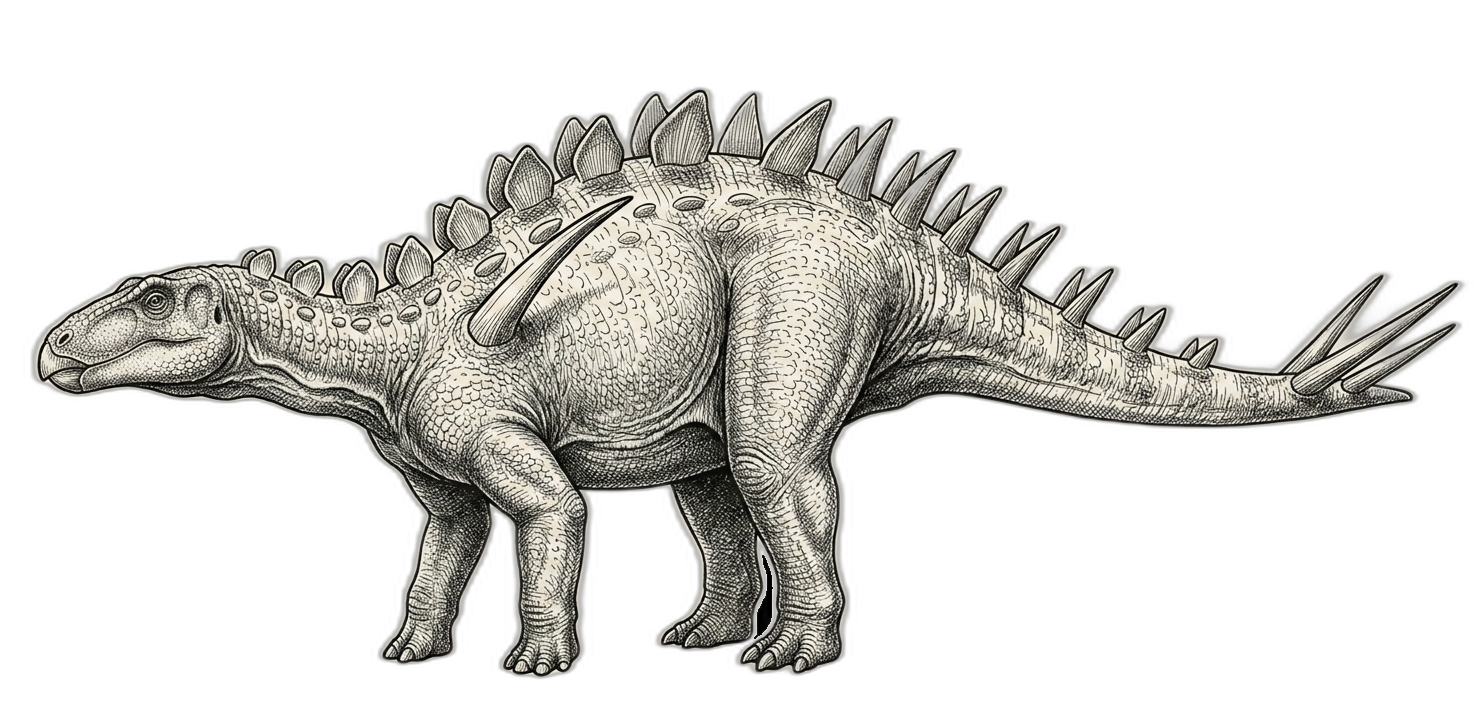
Huayangosaurus
Huayangosaurus taibaii
Kentrosaurus from the Late Jurassic of Tanzania represents a more derived stegosaur that evolved after basal forms like Huayangosaurus.
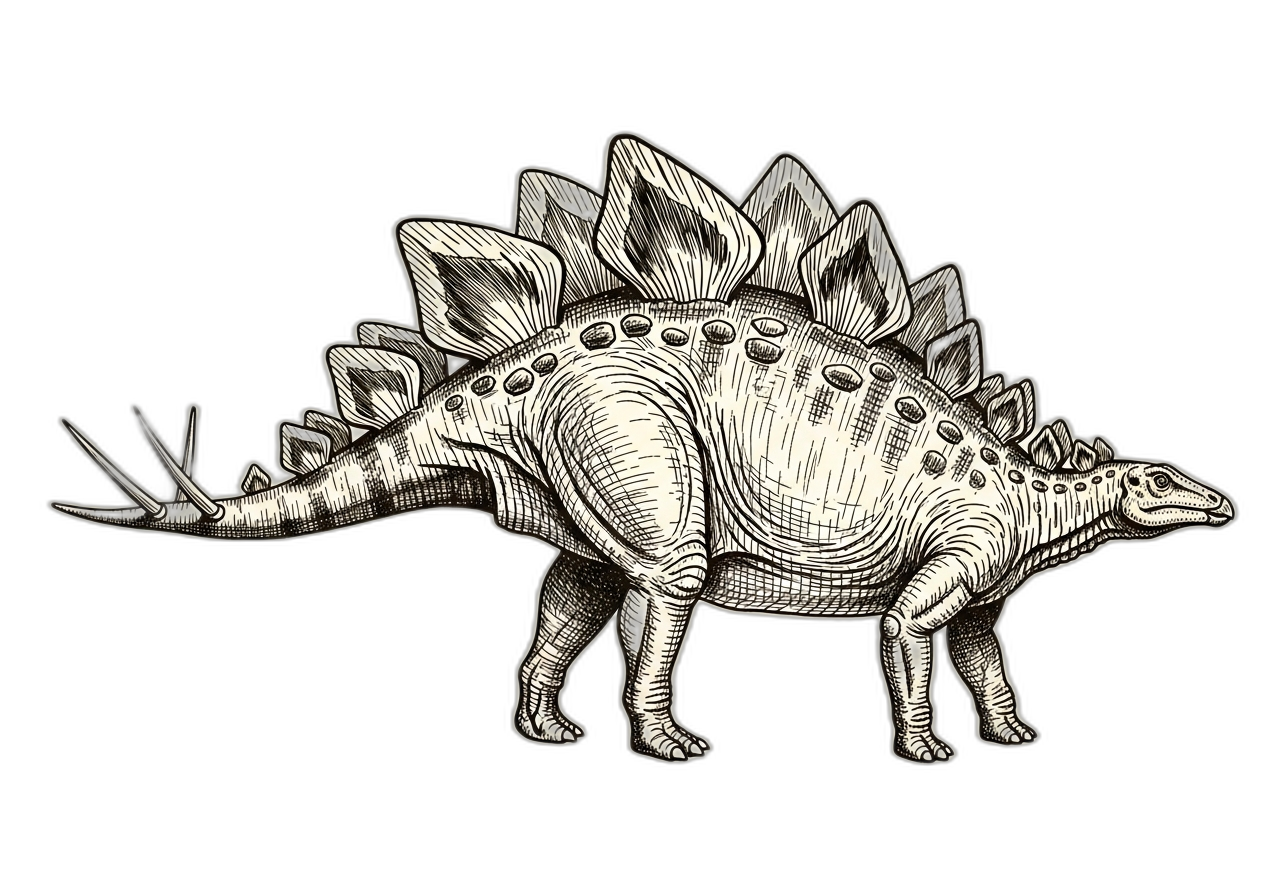
Stegosaurus
Stegosaurus stenops
Both Kentrosaurus and Stegosaurus are stegosaurids that independently developed elaborate plate and spike arrangements for defense and thermoregulation.
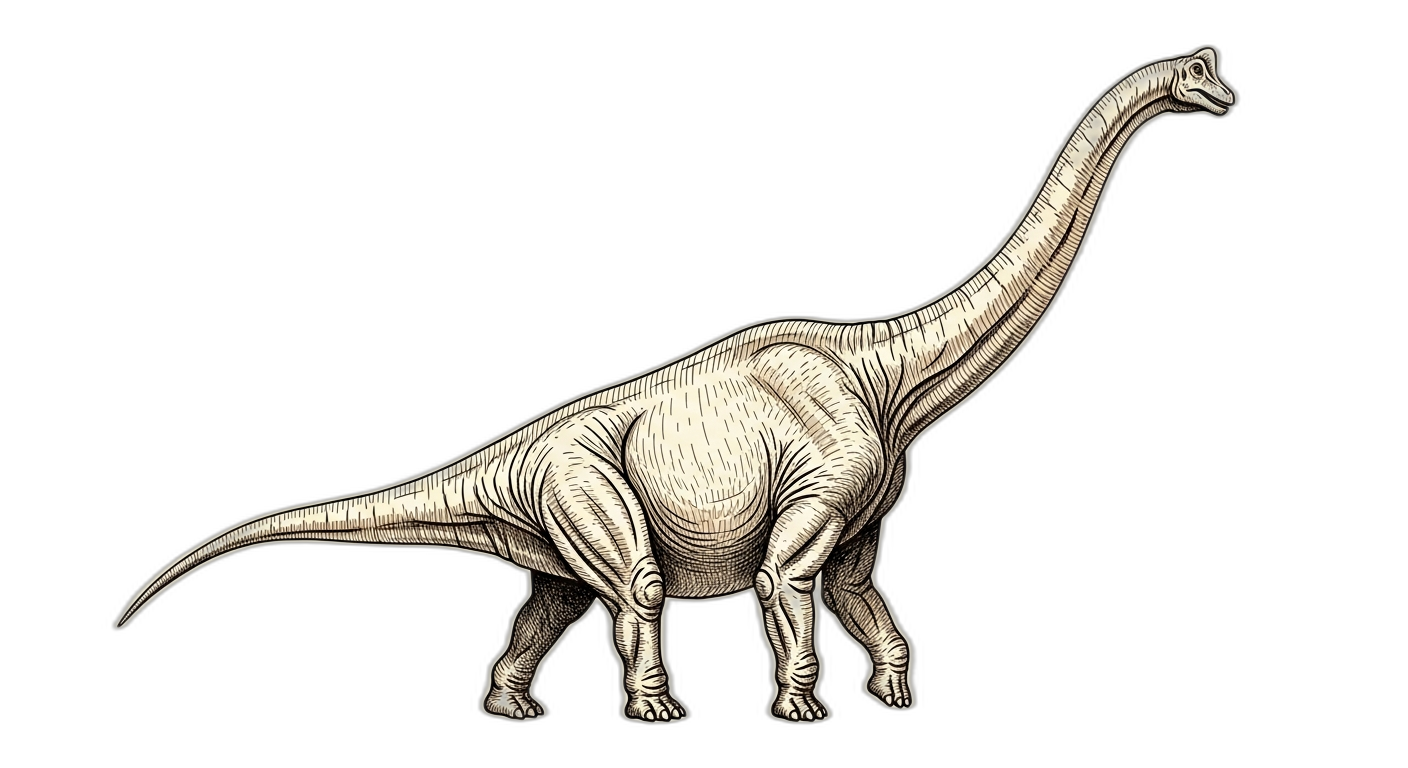
Brachiosaurus
Brachiosaurus altithorax
Brachiosaurus brancai (now Giraffatitan) was originally described from the Tendaguru Formation alongside Kentrosaurus, making them confirmed formation-mates in the Late Jurassic African ecosystem.
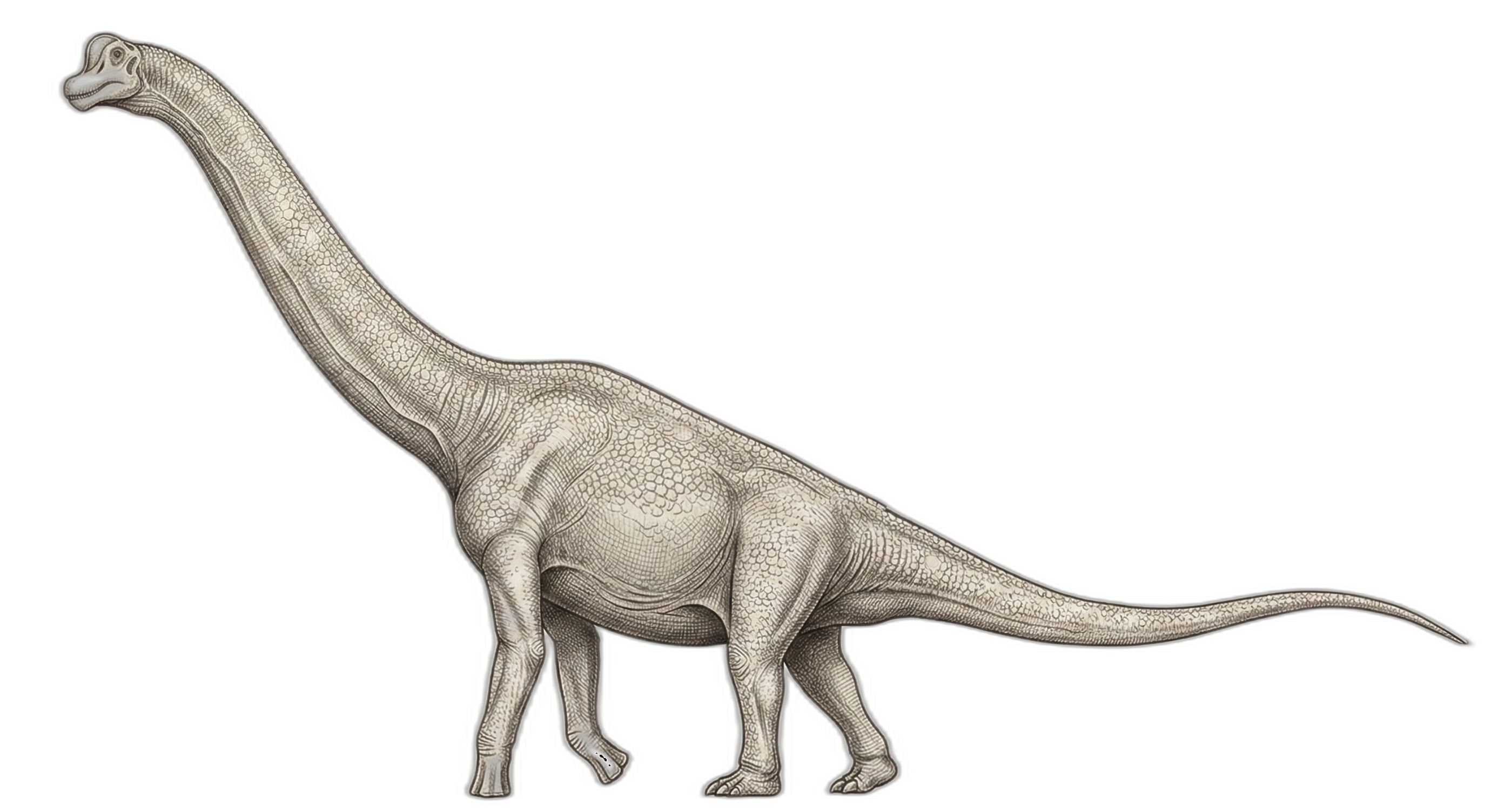
Giraffatitan
Giraffatitan brancai
Both Giraffatitan and Kentrosaurus are well-documented from the Tendaguru Formation of Tanzania, with numerous specimens found in close association, indicating they shared the same Late Jurassic ecosystem.
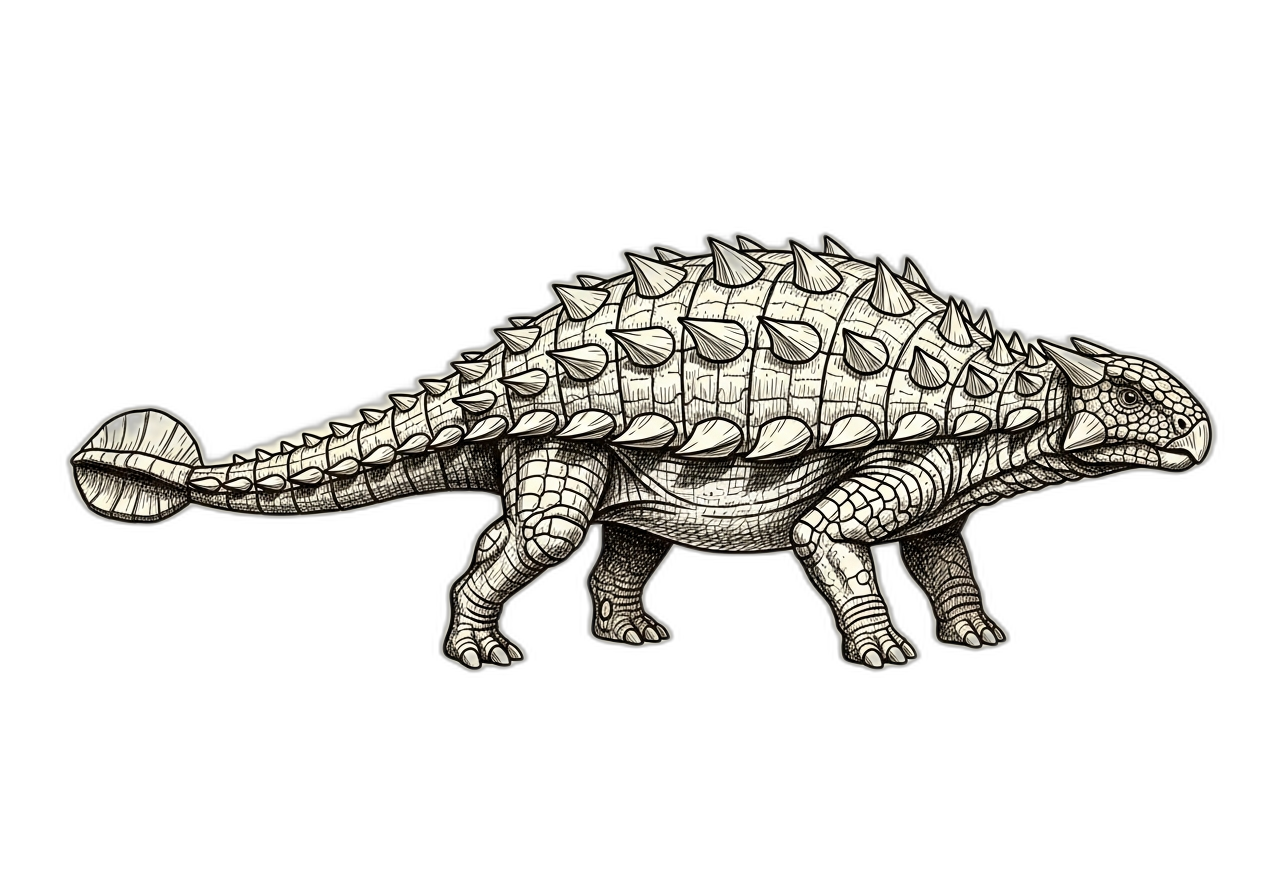
Ankylosaurus
Ankylosaurus magniventris
Both are armored thyreophorans that independently evolved extensive body armor and tail weapons for defense against large theropod predators.