Tendaguru Formation
Lindi, Tanzania
Why It Matters
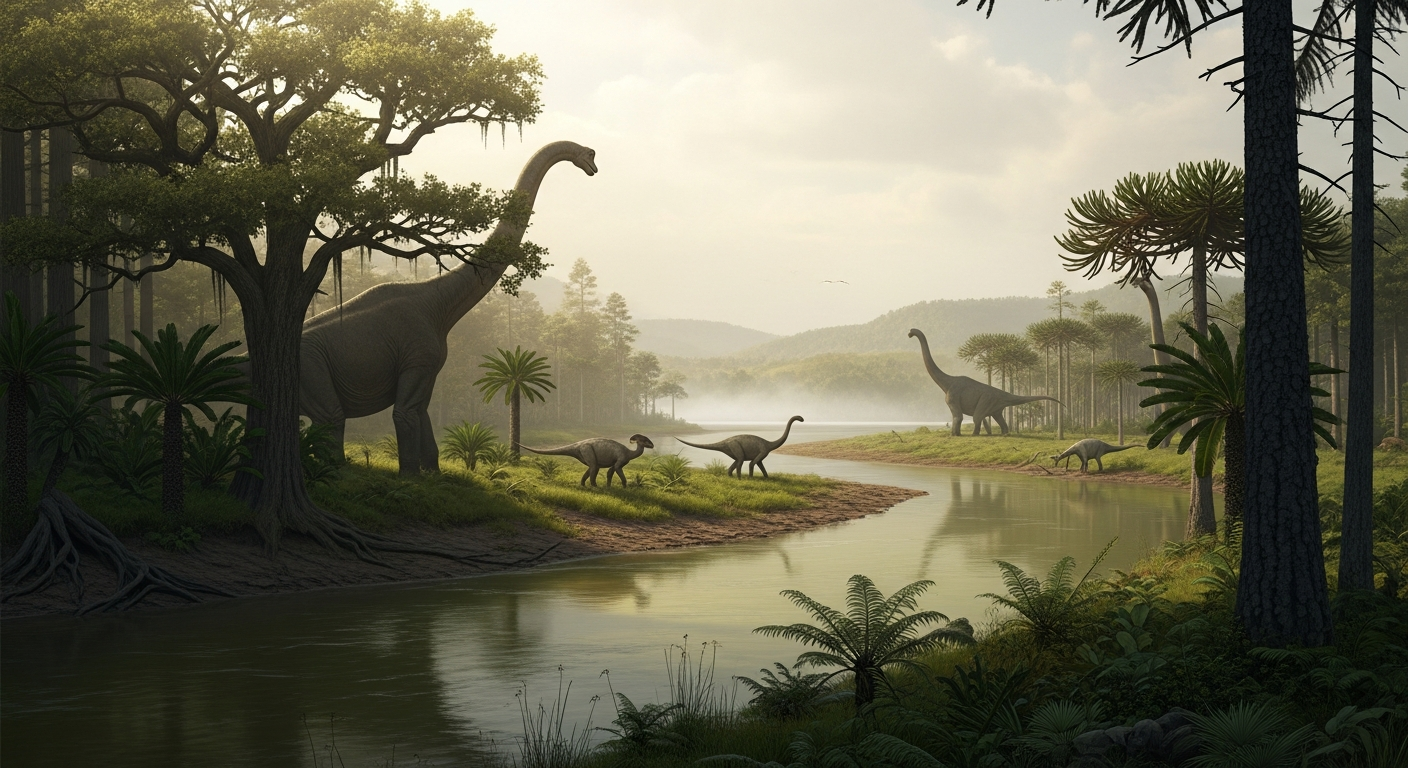
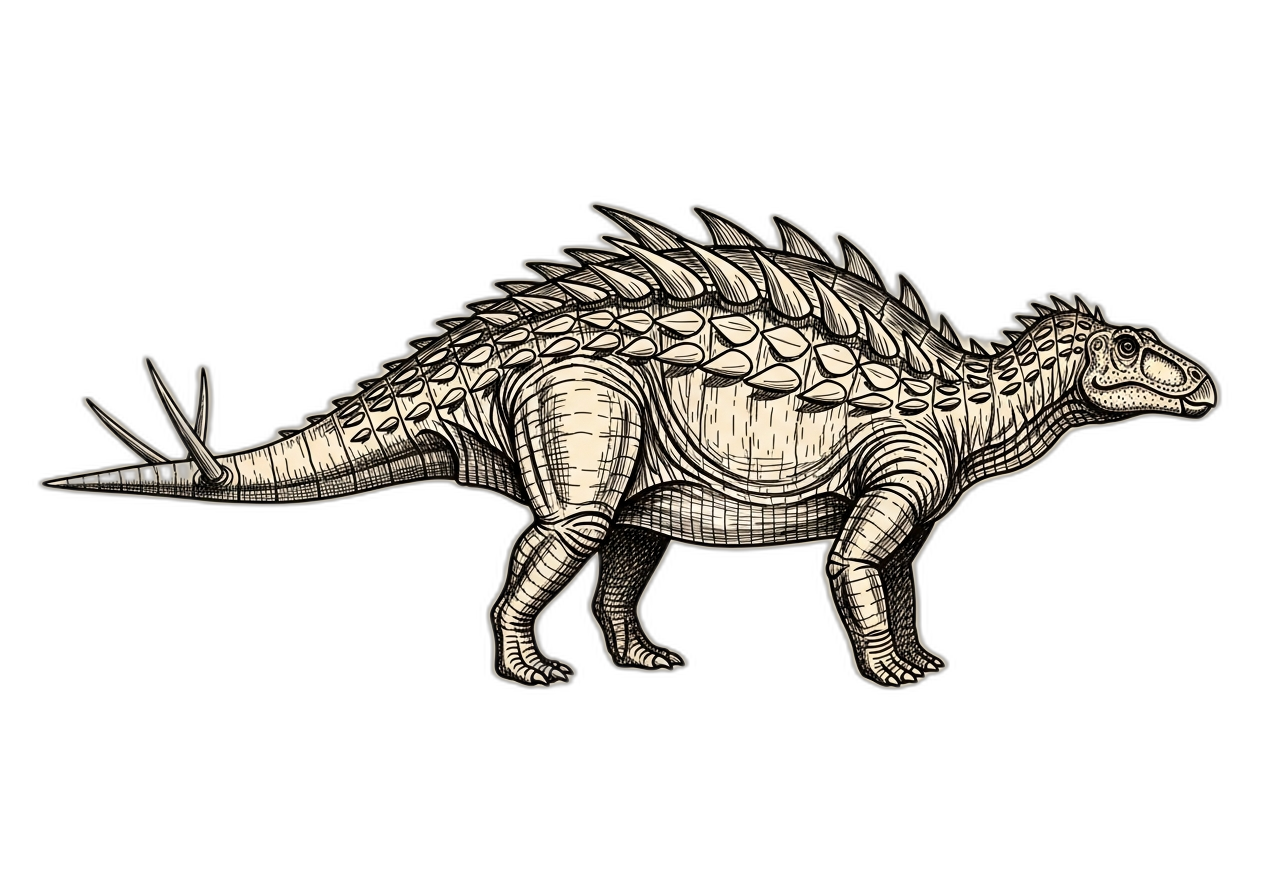
The Tendaguru Formation of southeastern Tanzania is the richest Jurassic dinosaur site in Africa and provides the crucial African data point in global comparisons of Late Jurassic faunas. Its close faunal similarity to the Morrison Formation of North America — both preserving relatives of Brachiosaurus, stegosaurs, and ornithopods — has been used as evidence that the two continents were still connected or in faunal exchange during the Late Jurassic. Kentrosaurus, the spikiest known, is its most famous resident.
How Fossils Survived
Deposited in a complex of coastal , lagoonal, and environments near the ancient Tethys Sea coastline, the Tendaguru consists of alternating marine and non-marine sediment layers. The repeated cycling between and marine environments reflects rising and falling sea levels over millions of years. Bones are often found in the terrestrial intervals, where large dinosaurs lived and died in coastal forests.
Discovery History
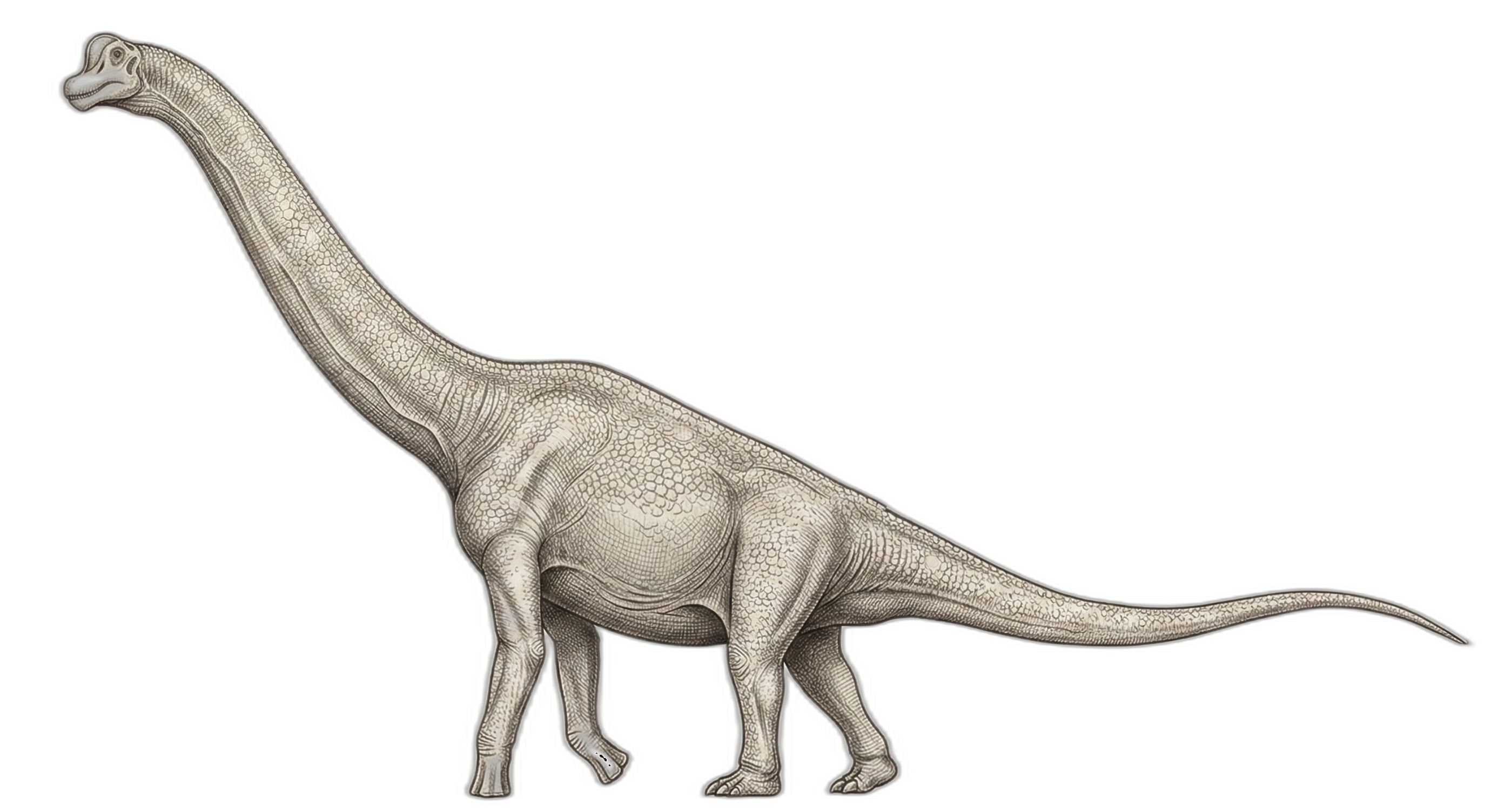
German paleontologist Wilhelm Janensch led major expeditions from 1909 to 1913, employing hundreds of local workers to excavate thousands of bones under arduous conditions. The specimens were shipped to Berlin's Natural History Museum, where Giraffatitan brancai stands as the world's largest mounted dinosaur skeleton. British expeditions followed in the 1920s, and Tanzanian-German collaboration continues at the site today.
Dinosaurs in the Vault
2 species in our database · sorted by size
The 1909–1913 German expedition employed over 500 local workers and required 4,300 porter loads to carry the fossils to the coast for shipping — a logistics operation of extraordinary scale for its era.