About
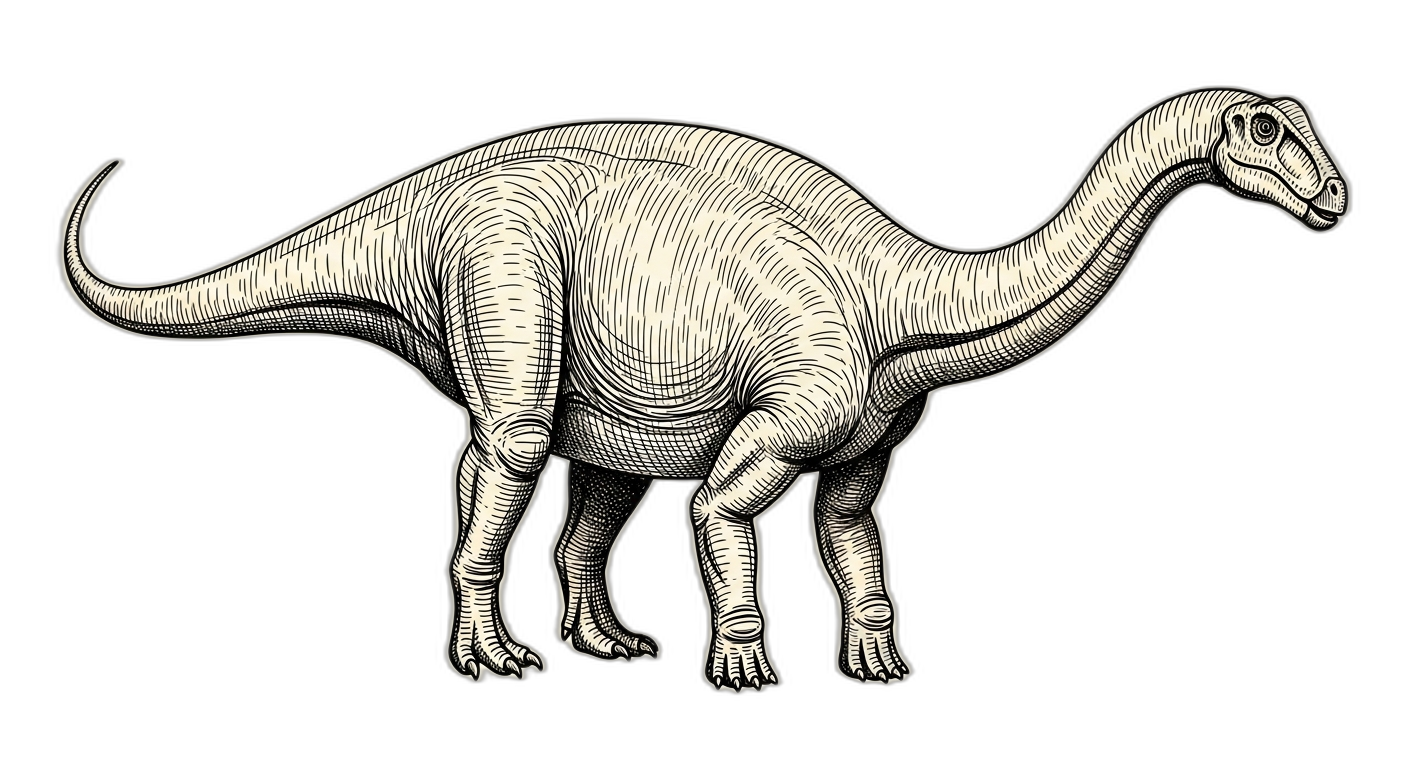
Nigersaurus was one of the strangest dinosaurs ever discovered — a that defied nearly every expectation of what a long-necked dinosaur should look like. Unlike its towering relatives that reached high into trees, Nigersaurus kept its head perpetually angled downward, grazing on ferns and horsetails close to the ground. Its skull was wider than it was long, ending in a straight edge packed with hundreds of tiny teeth arranged in rows, creating a remarkably efficient plant-harvesting tool.
This medium-sized sauropod lived in what is now the Sahara Desert during the Early Cretaceous, when the region was a lush river floodplain teeming with life. Nigersaurus shared its environment with crocodile-like predators, giant fish, and other dinosaurs including the -backed Ouranosaurus. Its lightweight, highly skeleton — filled with air spaces like a bird's — made it relatively delicate for a sauropod.
French paleontologist Philippe Taquet first collected Nigersaurus fossils during expeditions to Niger in the 1970s, but the bones were so fragile and that describing the animal proved difficult. It wasn't until Paul Sereno's expeditions in the 1990s and 2000s recovered more complete material, including a remarkable skull, that scientists could fully appreciate this dinosaur's bizarre adaptations. Sereno named the species in Taquet's honor in 1999.
Perhaps most remarkably, CT scans revealed that Nigersaurus replaced its teeth faster than any other dinosaur known — roughly once a month per tooth position. Behind each active tooth sat a column of up to nine replacement teeth waiting in line, ensuring its never dulled despite constant grinding against gritty plants.
Where fossils were found
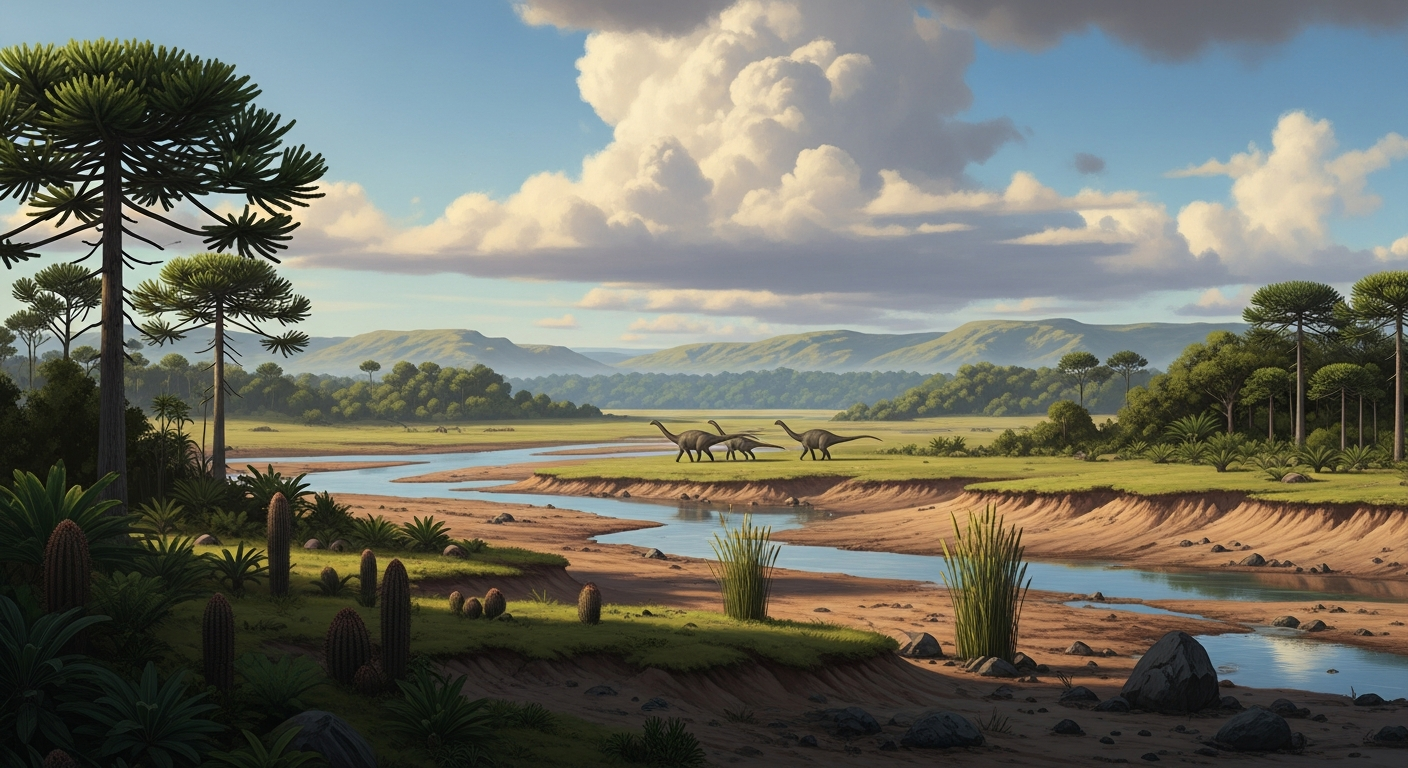
Elrhaz Formation
Agadez Region · Niger
113.2–100.5 million years ago(12.7m year span)
Where Nigersaurus Roamed
During the Early Cretaceous, Nigersaurus taqueti roamed the lush river systems and floodplains of what is now the Sahara Desert, when this region of Gondwana was a verdant, semi-arid landscape crisscrossed by broad rivers and dotted with fern prairies. This ancient African terrain lay near the equator, supporting diverse ecosystems that flourished along waterways cutting through the slowly fragmenting supercontinent.
Keep exploring the vault
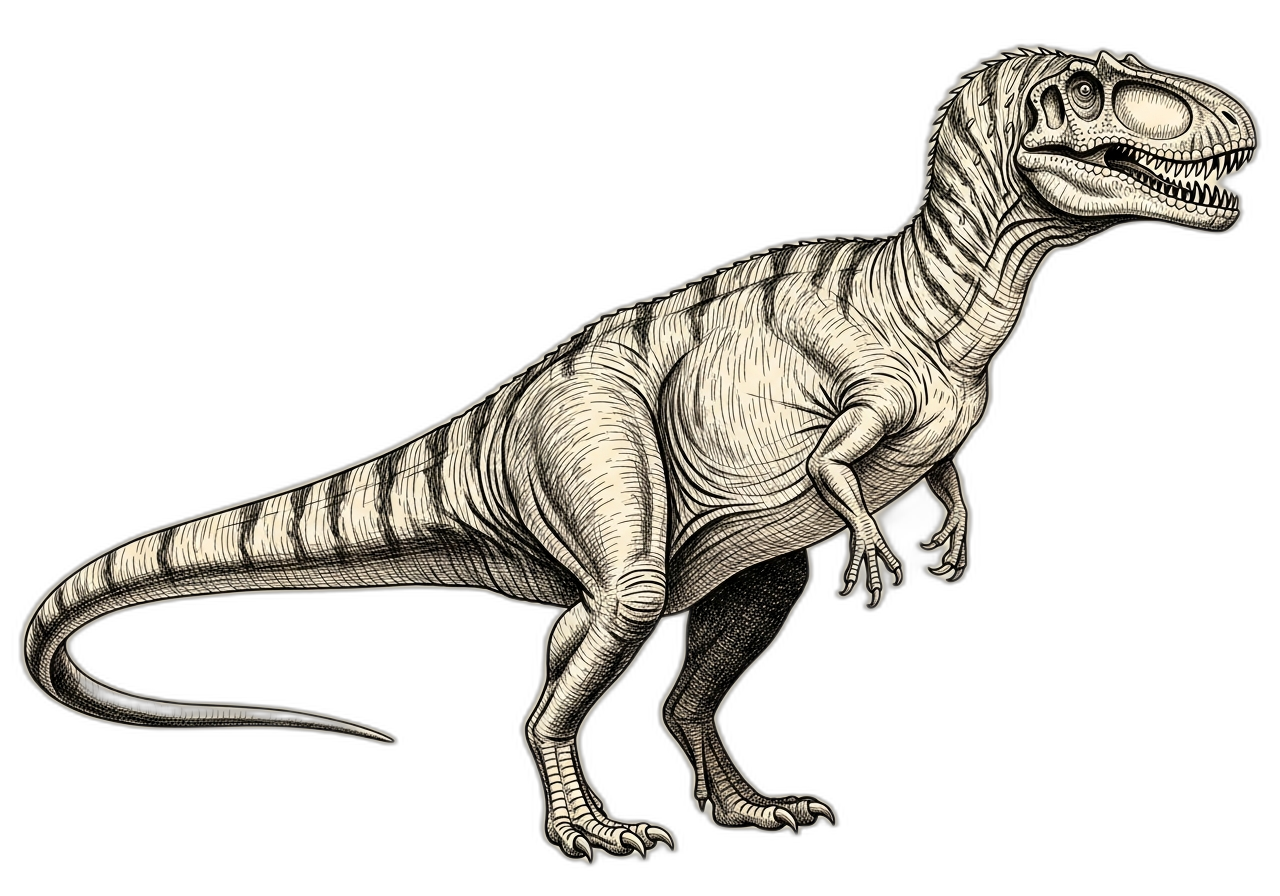
Carcharodontosaurus
Carcharodontosaurus saharicus
Carcharodontosaurus saharicus was a large theropod predator from the same Elrhaz and related formations of North Africa during the mid-Cretaceous.
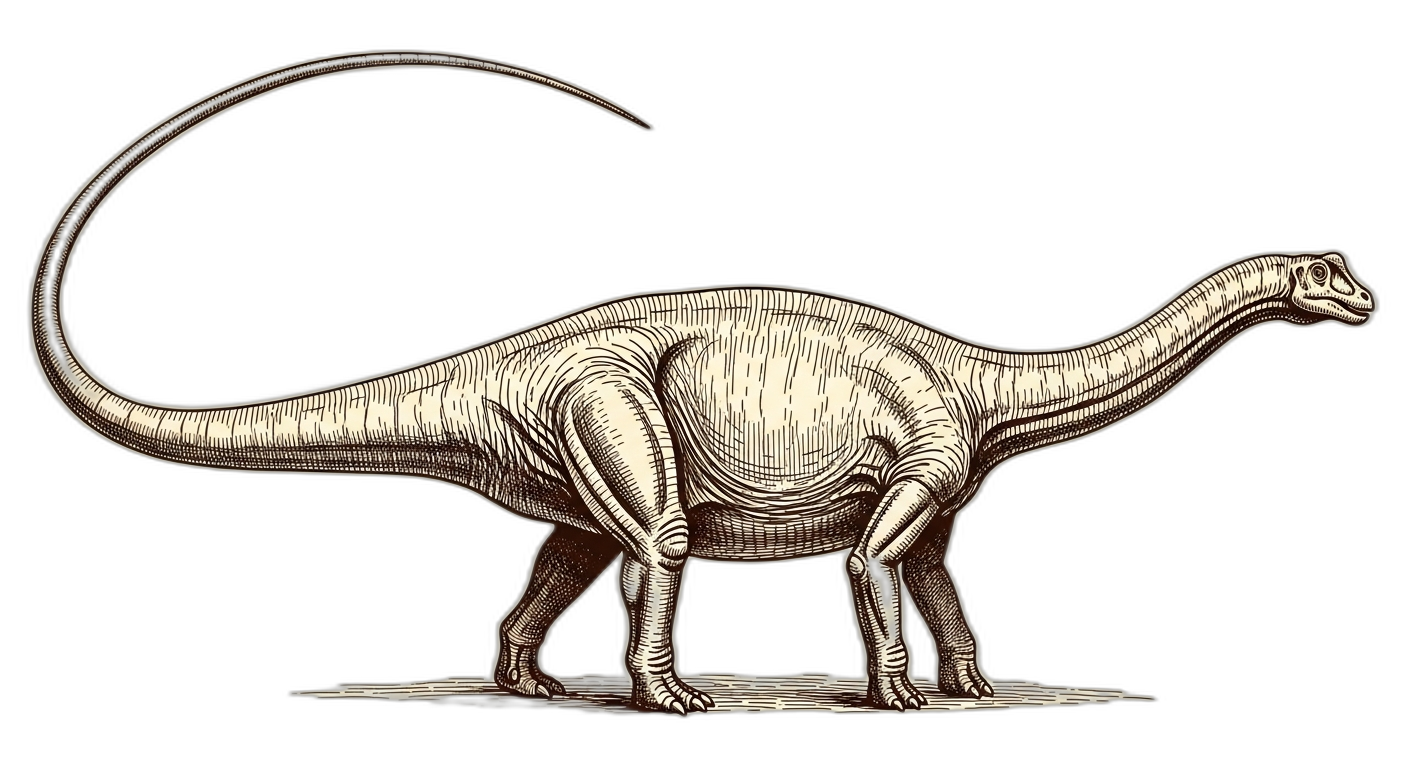
Diplodocus
Diplodocus carnegii
Both are diplodocoid sauropods that independently evolved specialized feeding strategies with elongated skulls and pencil-like teeth.
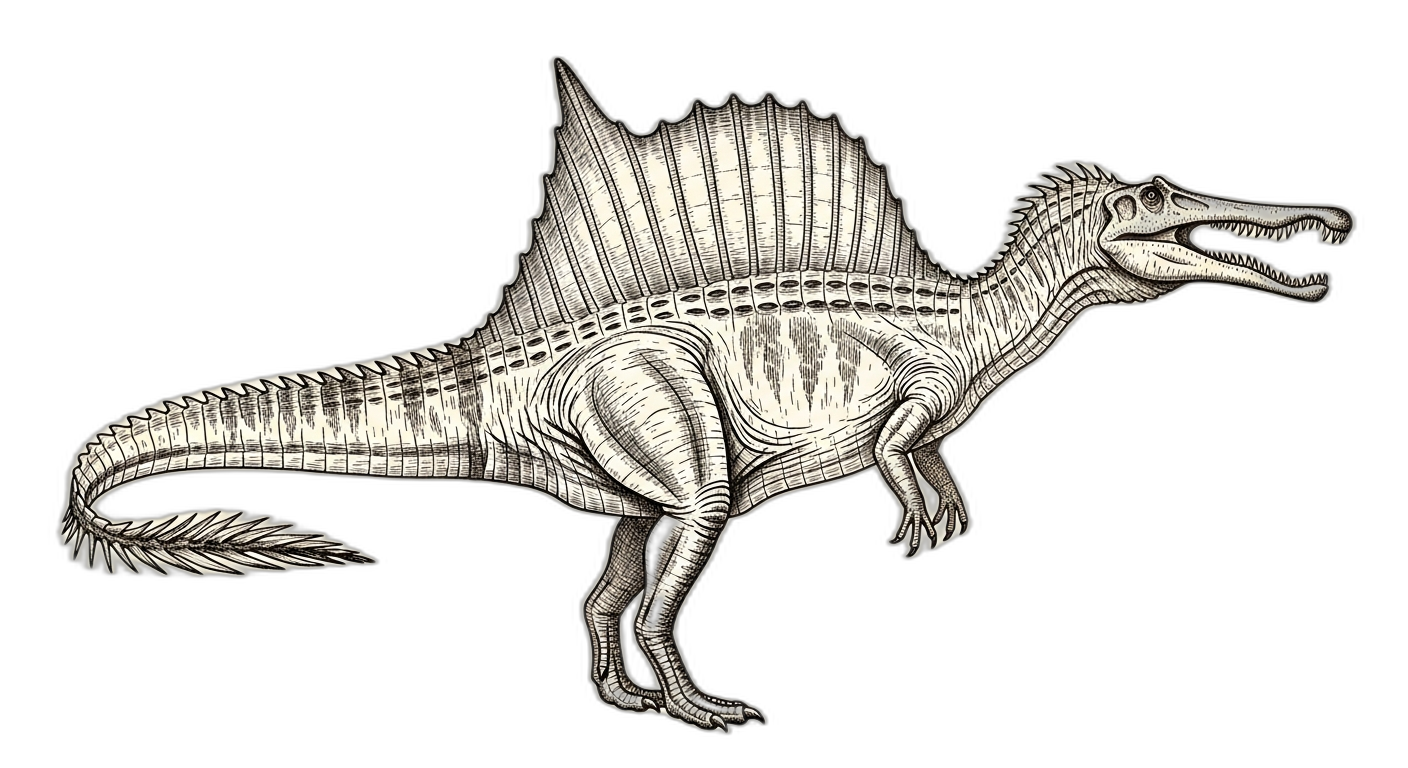
Spinosaurus
Spinosaurus aegyptiacus
Both inhabited early-mid Cretaceous North Africa.
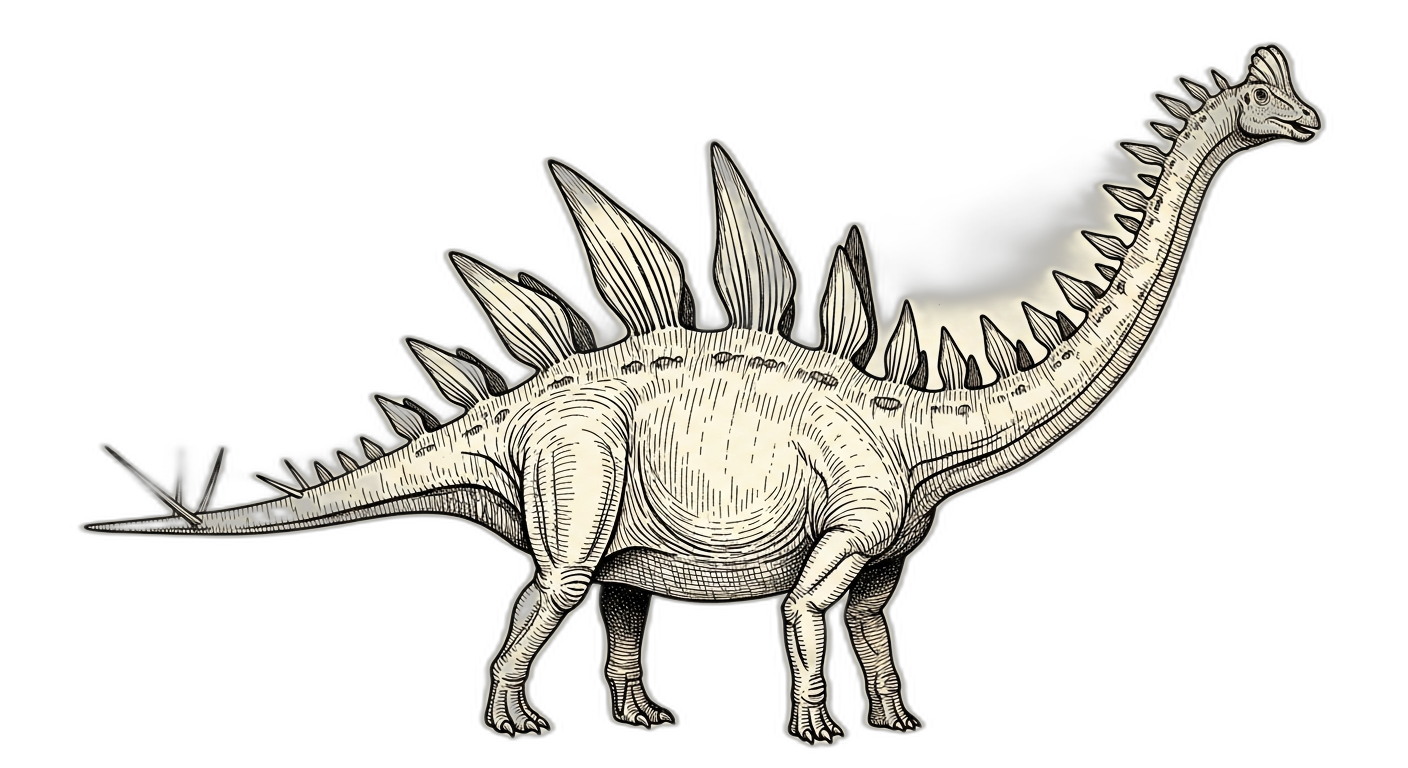
Amargasaurus
Amargasaurus cazaui
Both are rebbachisaurid-adjacent diplodocoids from Gondwanan continents during the Cretaceous, representing parallel experiments in unusual sauropod body plans.
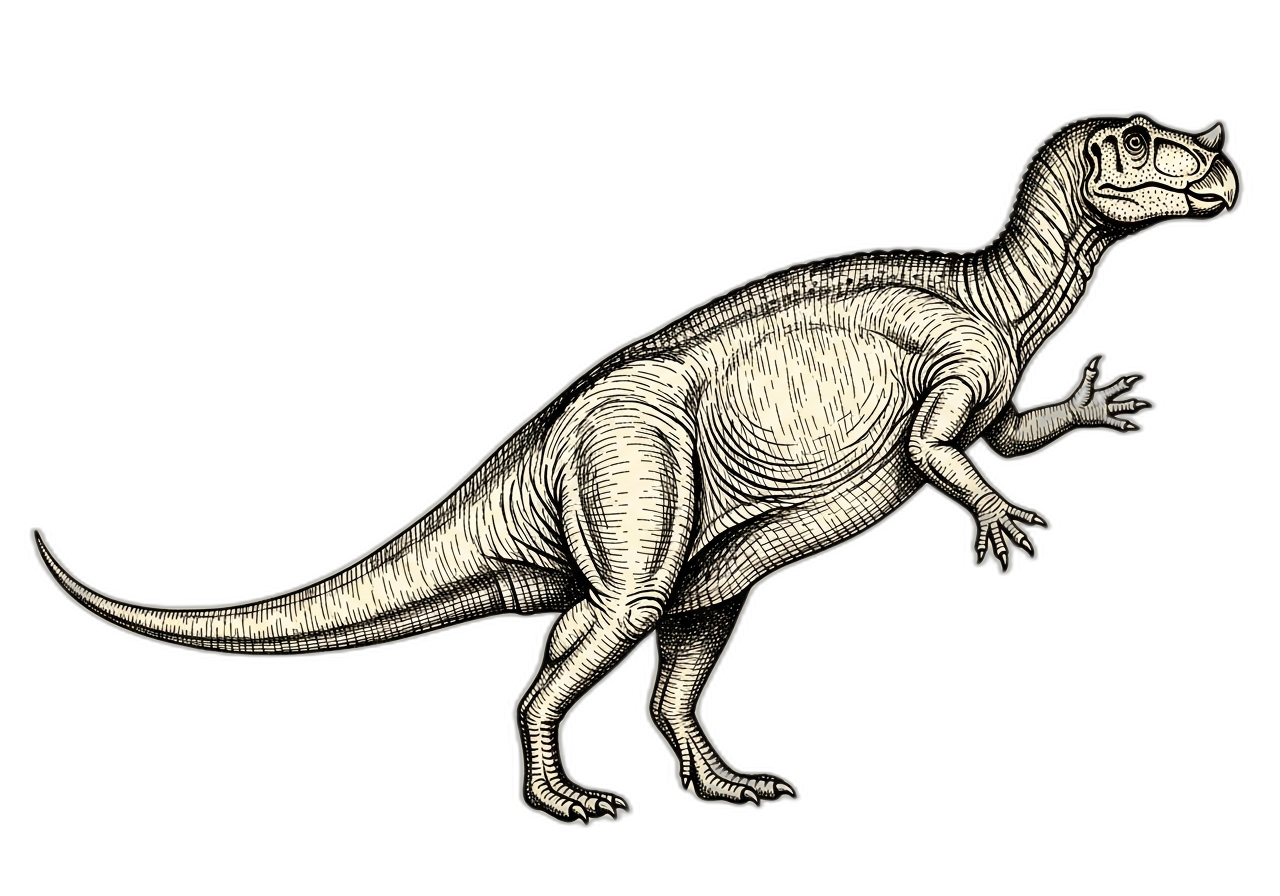
Iguanodon
Iguanodon bernissartensis
Both were Early Cretaceous herbivores that developed specialized dental batteries for processing vegetation — Nigersaurus with its 500+ replacement teeth in conveyor-belt rows, Iguanodon with tightly packed cheek teeth.