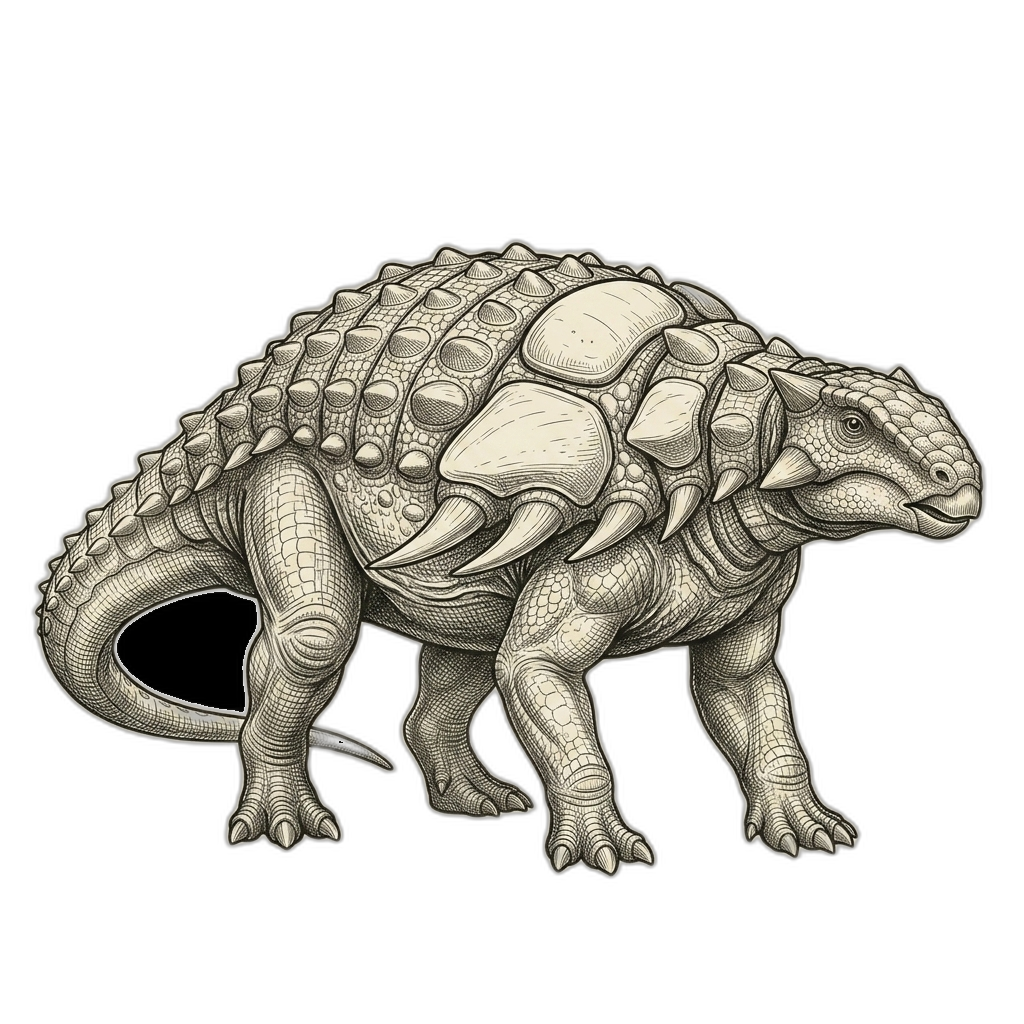
About
Panoplosaurus mirus was a tank-like herbivore that roamed the coastal plains and river systems of ancient Alberta approximately 75 million years ago. This medium-sized nodosaurid measured around 5.5 meters in length and was encased in an impressive suit of bony armor consisting of oval embedded in the skin, with prominent spikes projecting from its shoulders and along its flanks. Unlike its ankylosaurid cousins, Panoplosaurus lacked a bony , instead relying on its comprehensive dermal armor for protection against predators like tyrannosaurs and dromaeosaurids that shared its ecosystem.
The skull of Panoplosaurus is particularly well-preserved and shows a broad, robust construction with small leaf-shaped teeth suited for cropping low-growing vegetation. Its relatively narrow snout suggests selective feeding habits, likely targeting specific plant types rather than indiscriminately grazing. The animal walked on four sturdy, pillar-like legs with the forelimbs shorter than the hindlimbs, giving it a characteristic front-heavy posture.
Discovered by Lawrence Lambe in 1917 from the Dinosaur Park Formation in Alberta, Panoplosaurus holds significance as one of the most complete nodosaurids known from North America. The specimen preserves much of the skull and postcranial skeleton, providing crucial insights into nodosaurid anatomy and evolution. Its discovery helped establish our understanding of the diversity of armored dinosaurs in Late Cretaceous ecosystems.
Where fossils were found
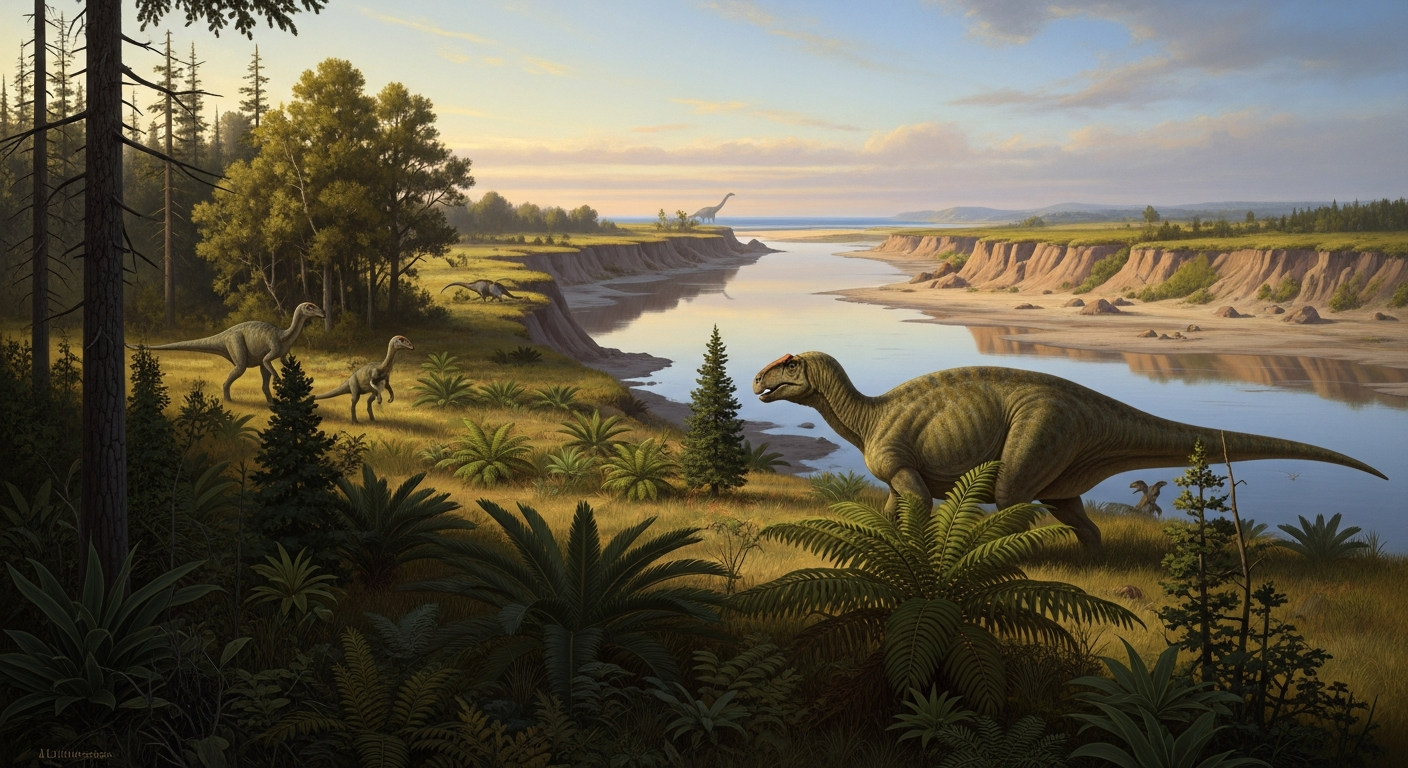
Dinosaur Park Formation
Alberta · Canada
76.5–74.5 million years ago(2m year span)
Where Panoplosaurus Roamed
During the Late Cretaceous, Panoplosaurus mirus inhabited the lush coastal lowlands of Laramidia, a narrow island continent flanked by the Western Interior Seaway to the east. This warm, humid subtropical environment featured meandering rivers, dense fern understories, and towering coniferous forests that provided abundant vegetation for this armored herbivore.
Keep exploring the vault
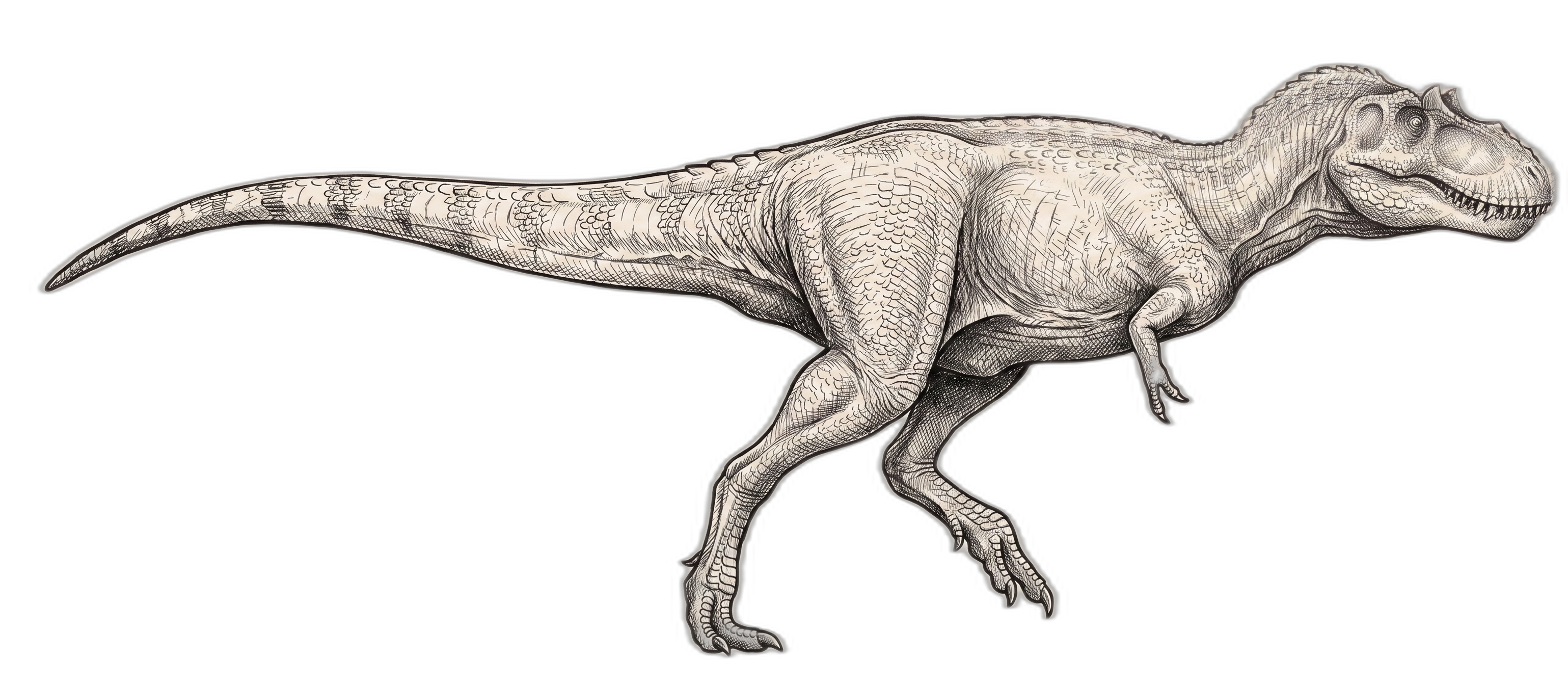
Gorgosaurus
Gorgosaurus libratus
Gorgosaurus was the apex predator in the Dinosaur Park Formation ecosystem.
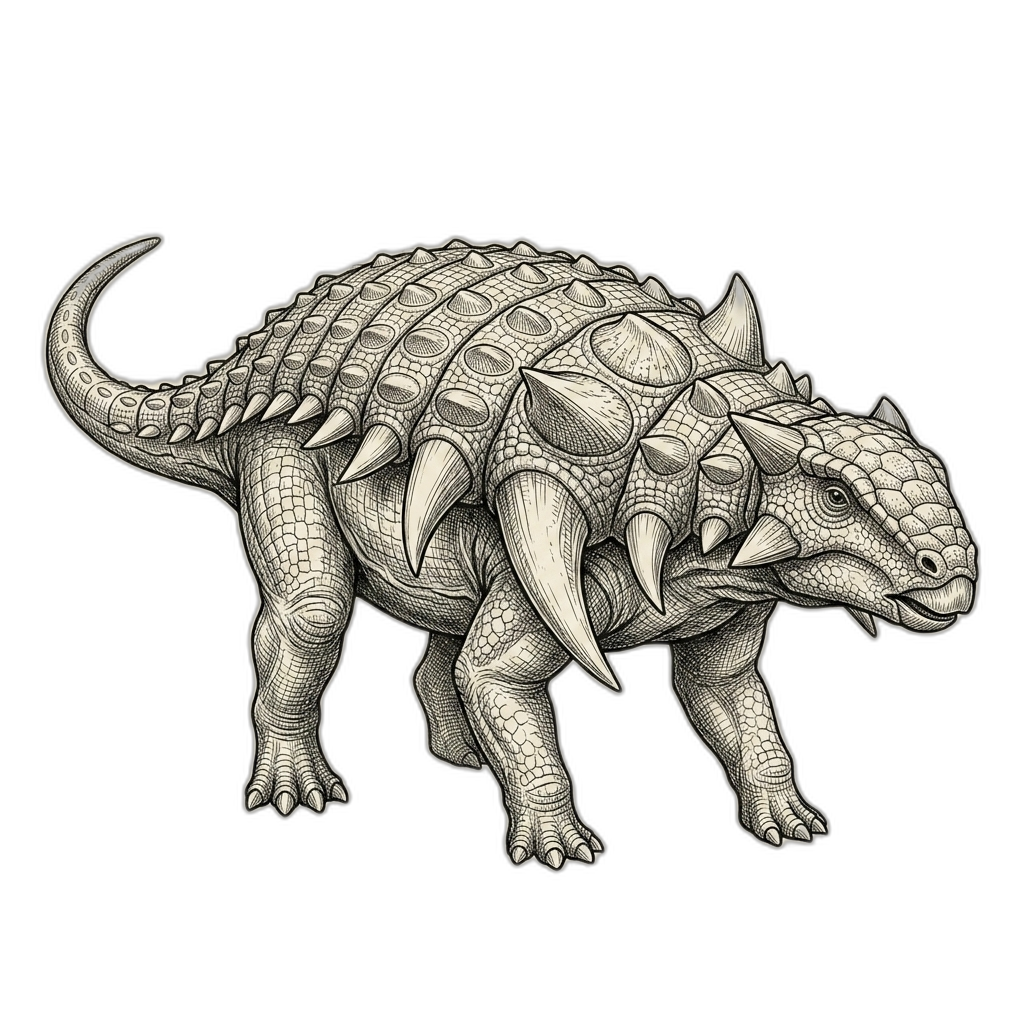
Edmontonia
Edmontonia rugosidens
Edmontonia was a fellow nodosaurid in the Dinosaur Park Formation, making it Panoplosaurus's closest ecological competitor.
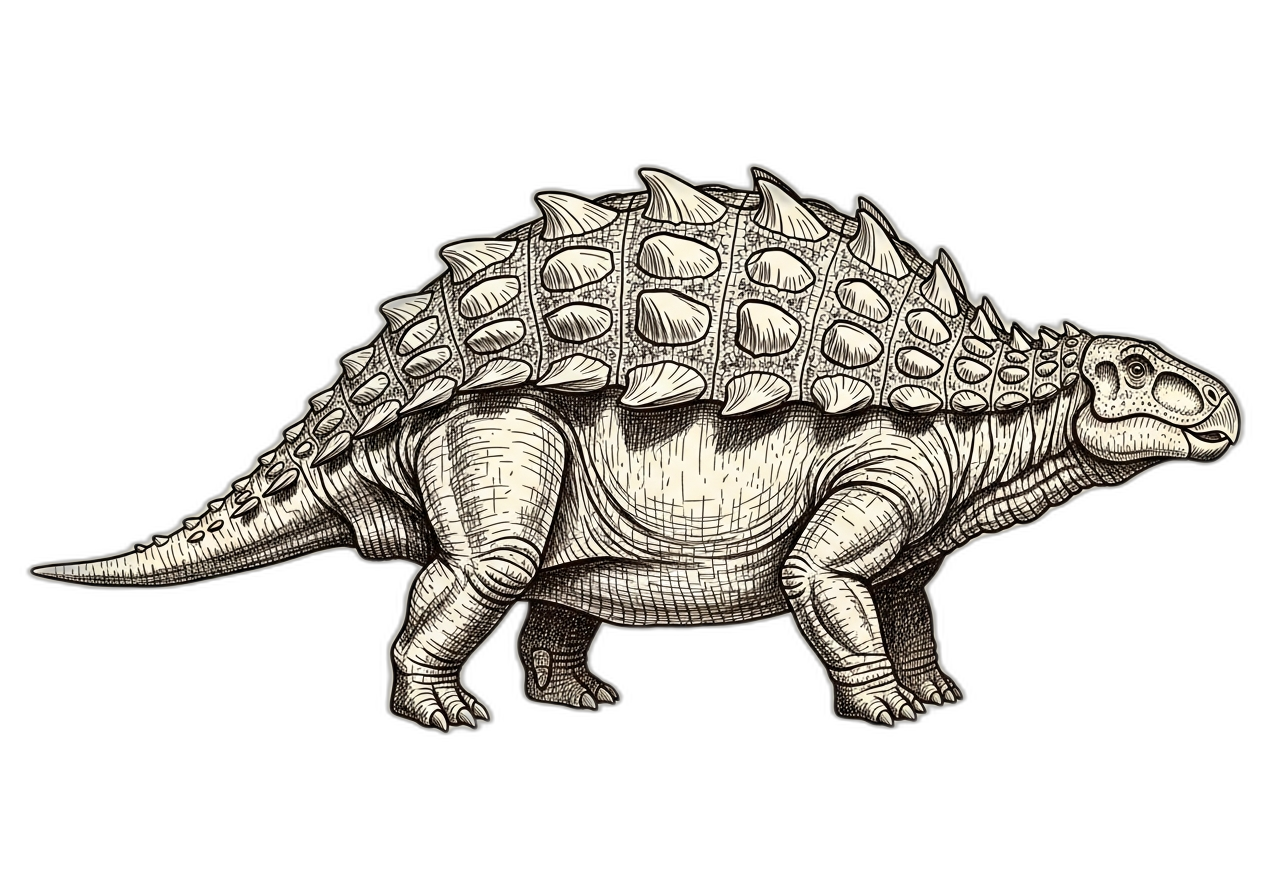
Borealopelta
Borealopelta markmitchelli
Both are nodosaurid ankylosaurs that evolved extensive armor plating and similar low-browsing body plans.
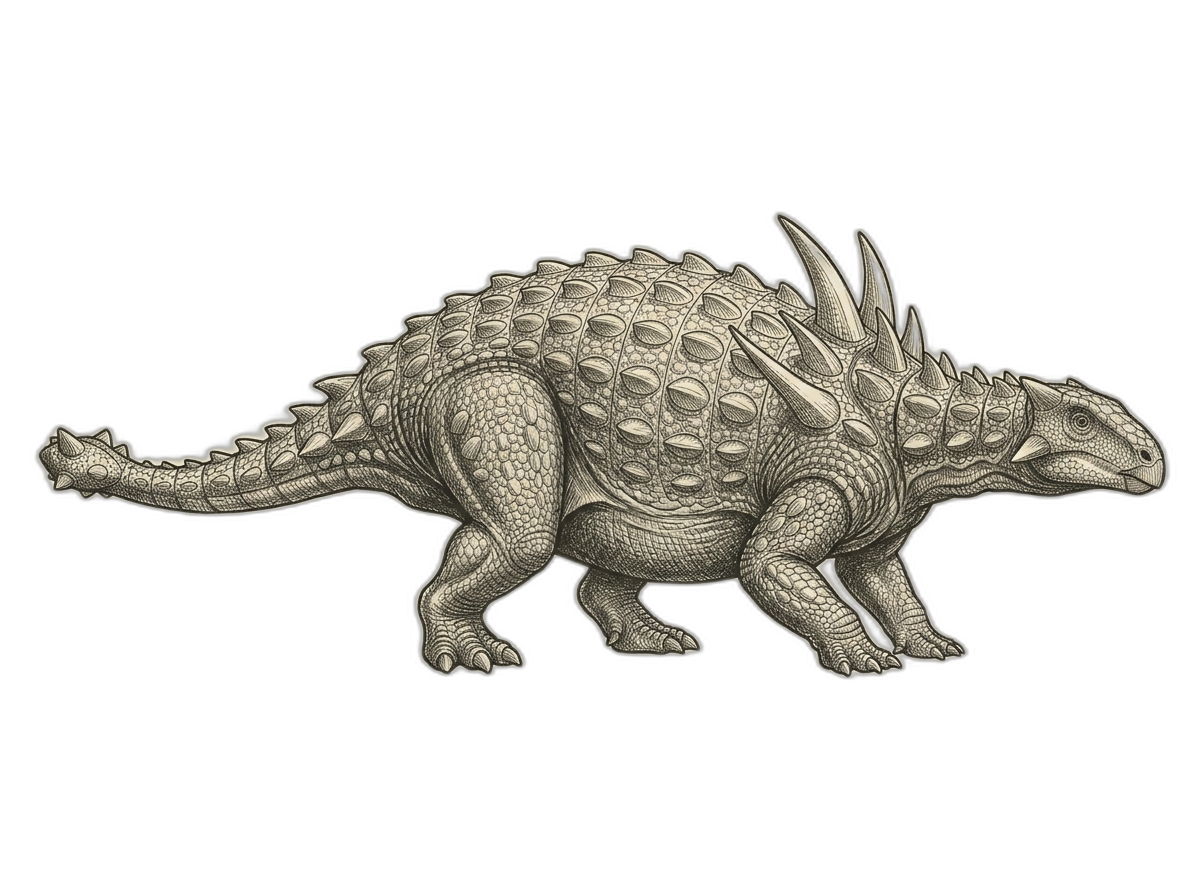
Gastonia
Gastonia burgei
Same family: Nodosauridae
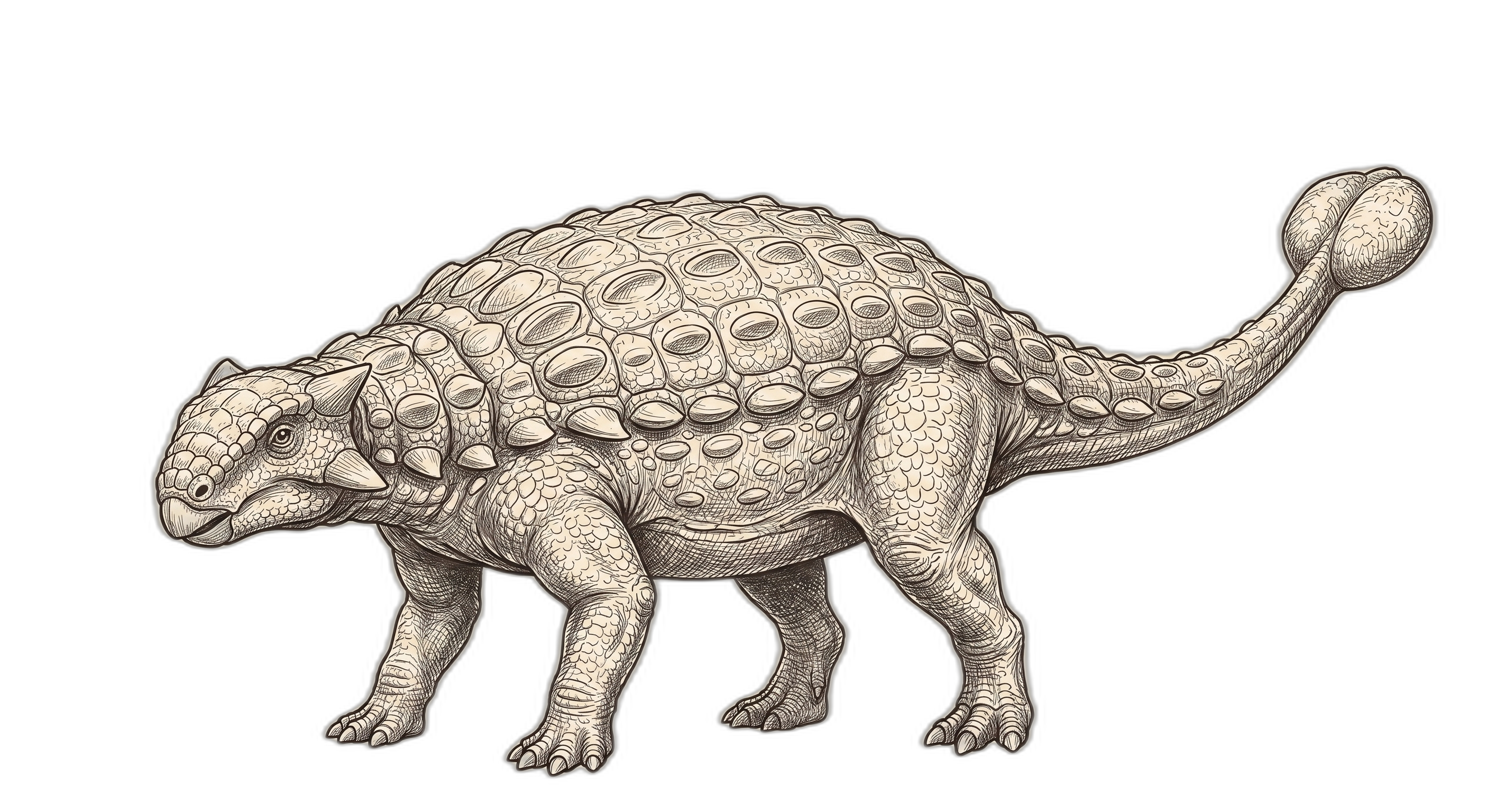
Euoplocephalus
Euoplocephalus tutus
Both were heavily armored ankylosaurs in the Dinosaur Park Formation with similar body sizes (5.5m).
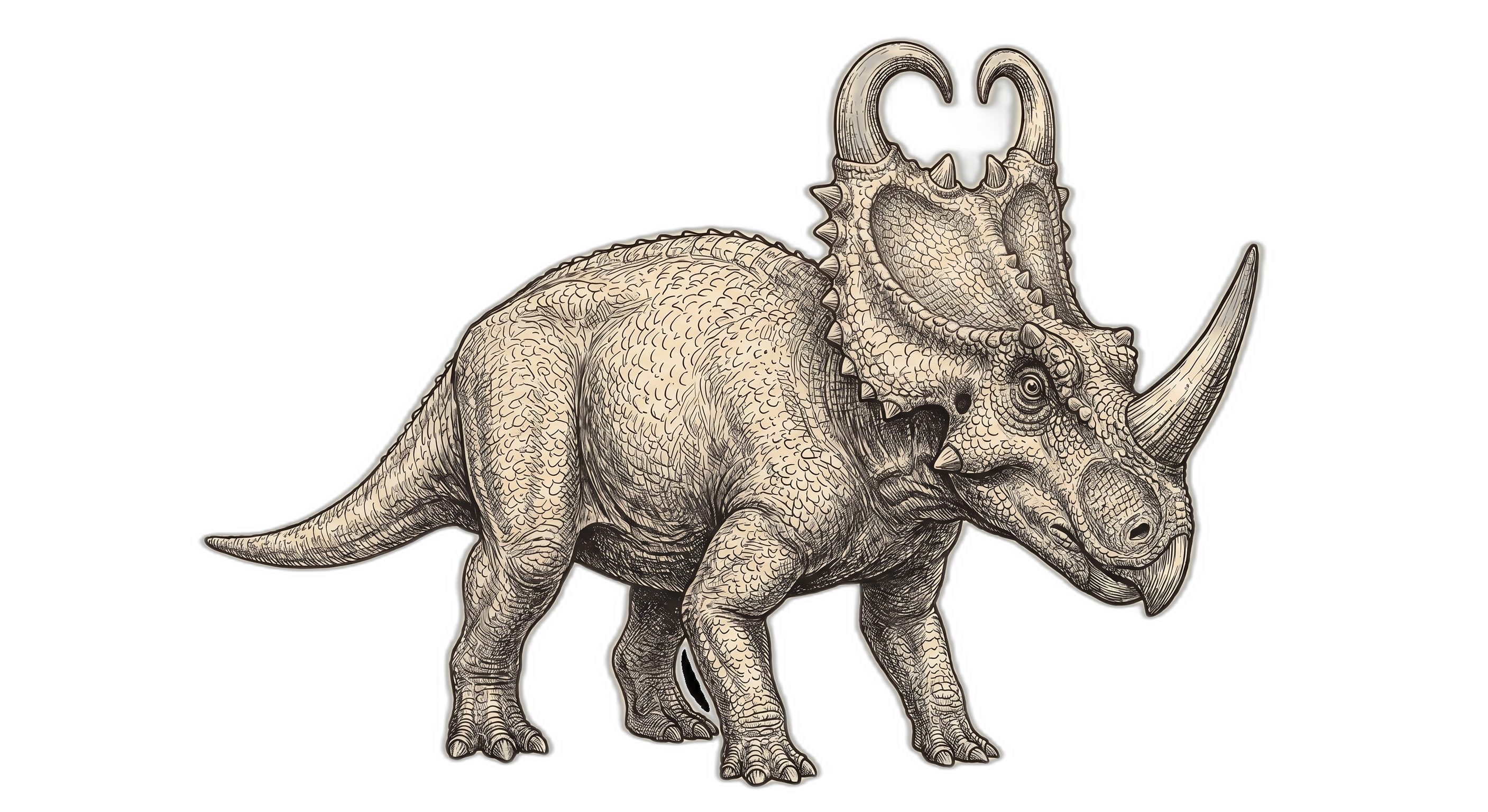
Centrosaurus
Centrosaurus apertus
Both species co-occur in the Dinosaur Park Formation and represent different herbivore strategies at similar body masses.